
How Extra Weight Affects Aging Feet

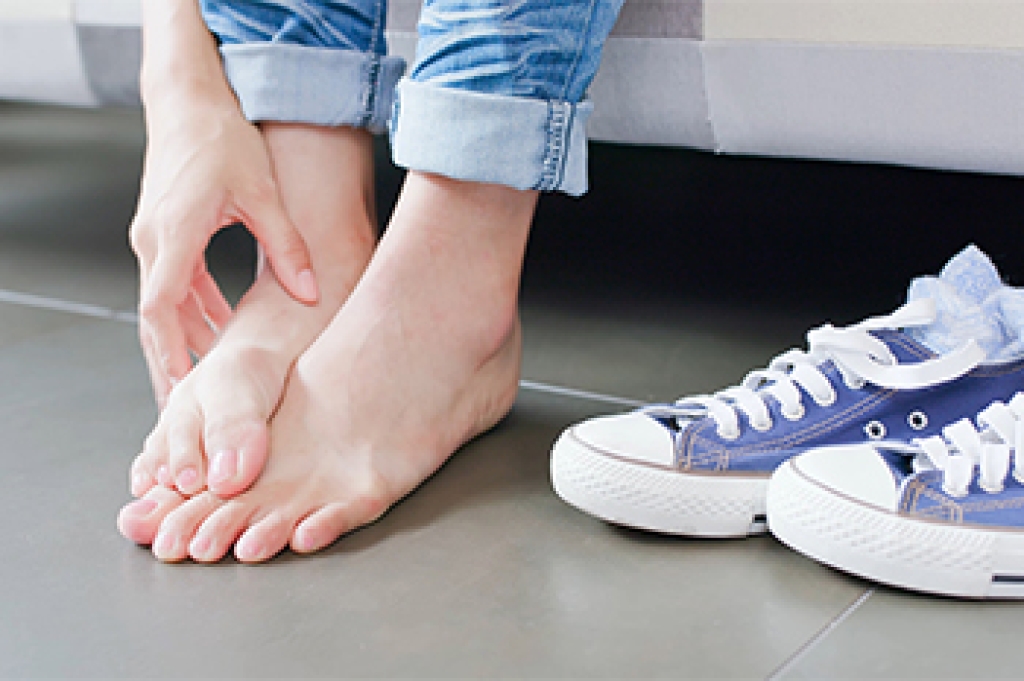
As people get older, ongoing foot discomfort can make everyday movement more difficult and reduce overall independence. Carrying additional body weight may place greater pressure on the feet, ankles, and joints, which can contribute to soreness, fatigue, and difficulty with walking or standing for extended periods of time. This added strain may gradually affect balance, mobility, and participation in normal daily activities. Some individuals notice aching in the heels, arches, or forefoot, while others experience swelling, instability, or discomfort that limits exercise and social routines. Because the feet support the entire body, even mild pain can have a meaningful effect on quality of life. A podiatrist can evaluate the source of discomfort, assess walking mechanics, and recommend treatments that improve support, reduce strain, and restore comfort during movement. Addressing foot pain early may help preserve mobility and confidence. If foot discomfort is making daily activities more difficult, it is suggested that you visit a podiatrist for care.

The more you weigh, the harder your feet must work to support your body. If you’re an obese individual and are concerned about your feet, contact One of our podiatrists from Taub Podiatry. Our doctors can provide the care you need to keep you pain-free and on your feet.

Obesity and Your Feet

People who are overweight are putting more pressure on their ankles, knees, and hips as well as their feet. This unfortunately can lead to variety of different issues.

Problems & Complications Stemming from Obesity

  • When the body is overweight, it tries to compensate by changing the way that it moves. An obese person may lean forward and put extra weight on the wrong part of the foot. This puts unnecessary stress on the feet.
  • Obese people are also more likely to develop type II diabetes which is a condition that causes a lot of foot problems. People with diabetes often don’t feel the cuts and sores that they may have on their feet, which can lead to more complicated and severe issues.
  • Plantar fasciitis is another foot condition that can be caused by obesity. Plantar fasciitis is an inflammation of the tissue along the bottom of the foot, which causes pain and stiffness while walking and climbing stairs.

If you have any questions please contact our offices located in Stuart, Port St. Lucie, and Hobe Sound, FL . We offer the newest diagnostic and treatment technologies for all your foot and ankle needs.

Read more about Obesity and the Feet

How a Podiatrist Treats Athlete's Foot

Athlete's foot is a fungal skin infection that affects the feet and can spread from one area to another when left untreated. Fungus is a tiny living organism that grows well in warm, damp places. The infection frequently begins between the toes, but it can also affect the soles, sides, or heels of the feet. Many people first notice itching, burning, or stinging that becomes more irritating while walking or wearing shoes. The skin can become red, flaky, or cracked, and painful splits in the skin can develop. Some patients also notice peeling or small blisters that make standing and walking uncomfortable. Because several skin conditions look similar, a podiatrist can determine whether athlete's foot is the true cause of the problem.

Athlete's foot spreads through direct contact with the fungus or by touching contaminated surfaces. Places like locker rooms, swimming pool decks, and public showers create conditions where the fungus can survive. The infection is also more likely to develop when people spend long periods wearing shoes that keep the feet warm and moist. Shoes that lack proper support can increase friction on the feet, which can add to discomfort when the skin is already irritated. A podiatrist performs a careful examination of the affected skin and reviews symptoms to confirm the diagnosis. In some cases, a small sample of skin is examined to identify the fungus and rule out other skin conditions.

Treatment focuses on eliminating the fungal infection and preventing it from spreading. A podiatrist can prescribe antifungal medications that target the fungus and reduce symptoms. Patients with severe infections or repeated infections sometimes require stronger prescription medication. A podiatrist also checks for skin cracks or other problems that increase the chance of complications. Prompt care can help protect healthy skin and reduce the risk of the infection spreading to the toenails or other areas of the foot. If you have symptoms of athlete's foot, it is suggested that you make an appointment with a podiatrist for diagnosis and treatment.

Athlete’s Foot

Athlete’s foot is often an uncomfortable condition to experience. Thankfully, podiatrists specialize in treating athlete’s foot and offer the best treatment options. If you have any questions about athlete’s foot, consult with One of our podiatrists from Taub Podiatry. Our doctors will assess your condition and provide you with quality treatment.

What Is Athlete’s Foot?

Tinea pedis, more commonly known as athlete’s foot, is a non-serious and common fungal infection of the foot. Athlete’s foot is contagious and can be contracted by touching someone who has it or infected surfaces. The most common places contaminated by it are public showers, locker rooms, and swimming pools. Once contracted, it grows on feet that are left inside moist, dark, and warm shoes and socks.

Prevention

The most effective ways to prevent athlete’s foot include:

  • Thoroughly washing and drying feet
  • Avoid going barefoot in locker rooms and public showers
  • Using shower shoes in public showers
  • Wearing socks that allow the feet to breathe
  • Changing socks and shoes frequently if you sweat a lot

Symptoms

Athlete’s foot initially occurs as a rash between the toes. However, if left undiagnosed, it can spread to the sides and bottom of the feet, toenails, and if touched by hand, the hands themselves. Symptoms include:

  • Redness
  • Burning
  • Itching
  • Scaly and peeling skin

Diagnosis and Treatment

Diagnosis is quick and easy. Skin samples will be taken and either viewed under a microscope or sent to a lab for testing. Sometimes, a podiatrist can diagnose it based on simply looking at it. Once confirmed, treatment options include oral and topical antifungal medications.

If you have any questions, please feel free to contact our offices located in Stuart, Port St. Lucie, and Hobe Sound, FL . We offer the newest diagnostic and treatment technologies for all your foot care needs.

Read more about How to Deal with Athlete's Foot

Common Causes of Heel Pain

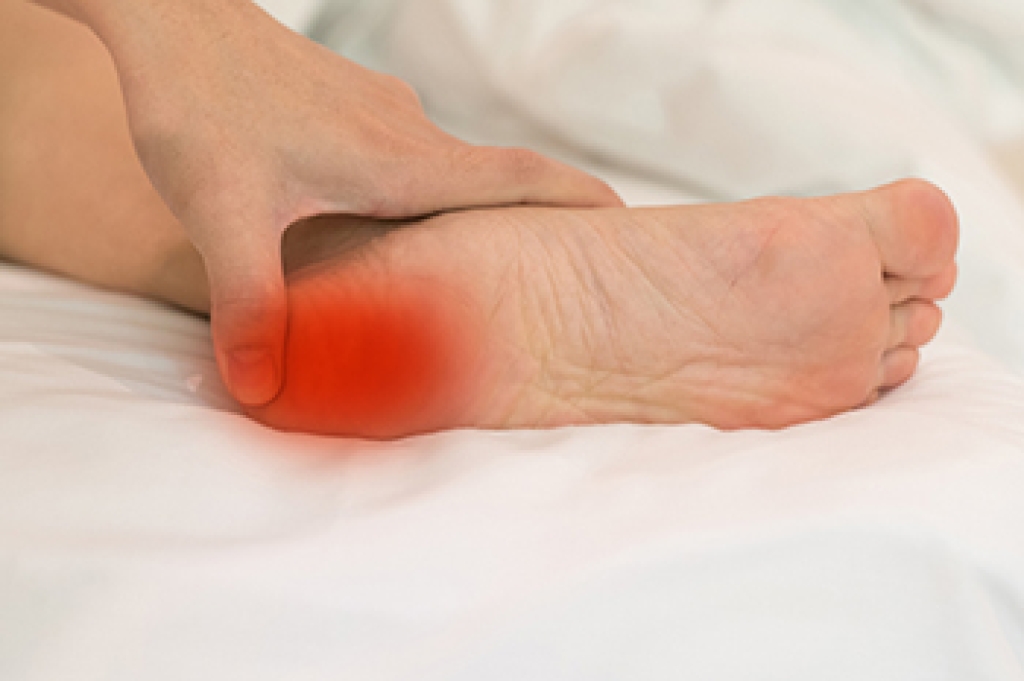
Heel pain is one of the most frequent foot complaints seen in podiatry and can result from several underlying conditions. The most common cause is plantar fasciitis, which involves inflammation of the thick band of tissue that supports the arch and connects the heel to the toes. This condition is often referred to by several names, including jogger heel, tennis heel, and policeman heel, reflecting its association with repetitive stress activities. Heel pain may also stem from other conditions, such as Sever's disease in children, heel bumps, and Achilles tendinopathy, making proper identification essential.

Symptoms of plantar fasciitis typically include sharp pain at the bottom of the heel, especially with the first steps in the morning or after periods of rest. The pain may decrease with movement but return after prolonged standing or activity. Achilles tendinopathy often causes pain at the back of the heel along with stiffness and swelling. A heel bump, sometimes called a pump bump, may cause irritation at the back of the heel where shoes rub. In children, Sever’s disease appears as heel pain during growth periods, especially in those who are active in  sports.

Several causes can contribute to heel pain. Repetitive strain from running, jumping, or prolonged standing can stress the plantar fascia and surrounding structures. Tight calf muscles, improper footwear, and flat feet or high arches can increase strain on the heel. Growth-related stress on the heel bone is a common cause in children with Sever’s disease. Overuse and sudden increases in activity levels can also contribute to Achilles tendinopathy and related heel conditions.

Risk factors for heel pain include high-impact activities, obesity, occupations that require long hours of standing on hard surfaces, and wearing unsupportive shoes. Early evaluation and proper care can prevent chronic discomfort and long-term complications. Treatment options include stretching, orthotics, and activity modification. If you have heel pain, it is suggested you consult a podiatrist who can determine what the cause is and offer appropriate relief and treatment solutions.

Many people suffer from bouts of heel pain. For more information, contact One of our podiatrists of Taub Podiatry. Our doctors can provide the care you need to keep you pain-free and on your feet.

Causes of Heel Pain

Heel pain is often associated with plantar fasciitis. The plantar fascia is a band of tissues that extends along the bottom of the foot. A rip or tear in this ligament can cause inflammation of the tissue.

Achilles tendonitis is another cause of heel pain. Inflammation of the Achilles tendon will cause pain from fractures and muscle tearing. Lack of flexibility is also another symptom.

Heel spurs are another cause of pain. When the tissues of the plantar fascia undergo a great deal of stress, it can lead to ligament separation from the heel bone, causing heel spurs.

Why Might Heel Pain Occur?

  • Wearing ill-fitting shoes                
  • Wearing non-supportive shoes
  • Weight change           
  • Excessive running

Treatments

Heel pain should be treated as soon as possible for immediate results. Keeping your feet in a stress-free environment will help. If you suffer from Achilles tendonitis or plantar fasciitis, applying ice will reduce the swelling. Stretching before an exercise like running will help the muscles. Using all these tips will help make heel pain a condition of the past.

If you have any questions, please feel free to contact our offices located in Stuart, Port St. Lucie, and Hobe Sound, FL . We offer the newest diagnostic and treatment technologies for all your foot care needs.

Read more about Heel Pain

Working on Your Feet and Protecting Foot Health

Many jobs require standing or walking for long hours each day. Healthcare workers, retail employees, and restaurant staff often spend most of their shift on their feet. This repeated stress can place extra pressure on the muscles, joints, and soft tissues of the feet. As a result, foot pain may develop gradually and begin to interfere with work and everyday activities. Common symptoms include aching, swelling, and heel pain that becomes worse after long periods of standing. Ignoring these warning signs may allow the problem to worsen and make daily movement more difficult. Early evaluation is important because foot pain is often easier to manage before it becomes a long-term problem.


A podiatrist can determine the cause of your discomfort with a thorough examination of your feet and the way you walk. Long hours on your feet may contribute to plantar fasciitis, tendon irritation, or joint pain. Once the cause is identified, a personalized treatment plan can be developed to improve comfort and reduce stress on the feet. Treatment may include custom orthotics, supportive footwear recommendations, or certain medical therapies based on your specific needs. Professional care also helps monitor your progress and reduce the risk of ongoing foot problems that could affect your ability to work.


Professional foot pain treatment, podiatry care, and custom orthotics can help support healthy movement and improve comfort during long workdays. Addressing symptoms early may also help prevent more serious foot conditions from developing. A podiatrist focuses on treating the underlying cause of pain so you can stay active with greater confidence. If standing for long hours is causing foot pain or swelling, it is suggested that you consult a podiatrist for an evaluation and appropriate treatment options.

While working on the feet, it is important to take the proper care of them. For more information about working on your feet, contact One of our podiatrists from Taub Podiatry. Our doctors will treat your foot and ankle needs.

Working on Your Feet

Standing on your feet for long periods of time can cause stress and pain in your feet. Your whole body may experience change in terms of posture, back pain, bunions, callouses and or plantar warts. There are ways to avoid these conditions with proper foot care, smart choices and correct posture.

Positive Changes

Negative heeled shoe – Choosing this shoe type places the heel slightly lower than the ball of the foot. These are great for overall foot health. Find shoes that fit you correctly.

Go barefoot – Our feet were not designed to be enclosed for all hours of the day. Try to periodically expose your feet to air.

Eliminate Pain

Foot Exercises – Performing simple exercises, incorporating yoga and doing stretches are beneficial. This will allow increased blood flow to the area and muscles of the foot.

Achilles tendon – Stretching the foot out flat on the floor will relax the calf muscles and tendon. These exercises can be performed almost anywhere. Make sure you add these exercises to your daily regimen. 

With a little bit of this information and knowing more about foot health, you will notice changes. Foot stretches and proper footwear will help with pain and prevent further issues.

If you have any questions please contact our offices located in Stuart, Port St. Lucie, and Hobe Sound, FL . We offer the newest diagnostic and treatment technologies for all your foot and ankle needs.
Read more about Working on Your Feet
scroll to top