A bump on the big toe can be uncomfortable and may make walking or wearing shoes difficult. Several conditions can cause a bump, including a bone spur, bunion, or gout. Each condition has varied causes, symptoms, and treatment needs. Recognizing causes can help you know when to seek podiatric care and prevent discomfort from becoming worse.
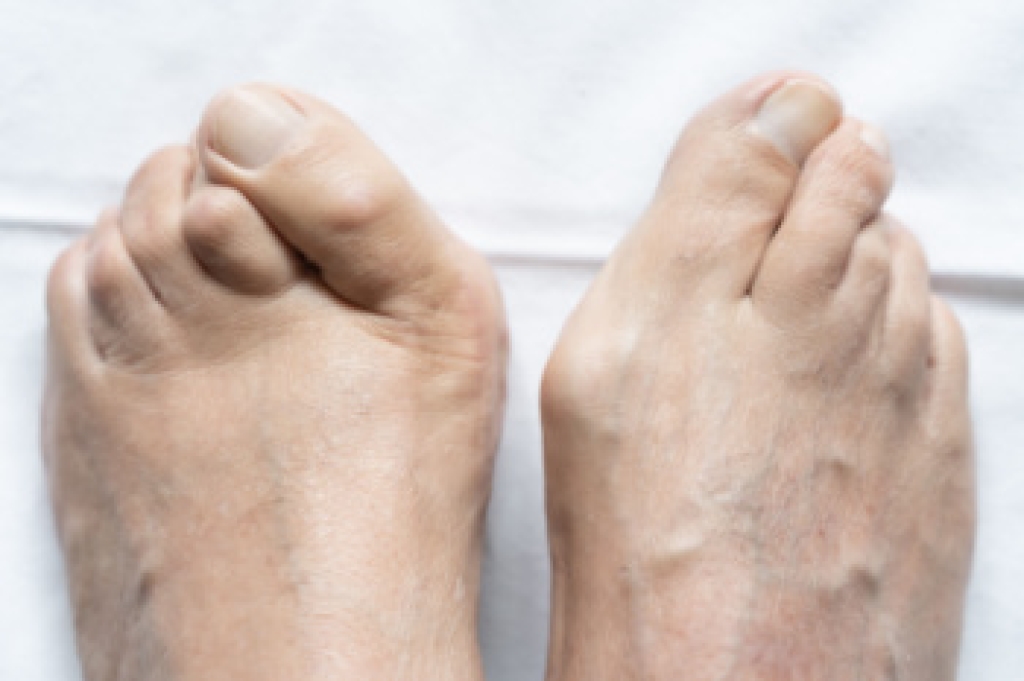
A bone spur is an extra growth of bone that may form around a joint because of arthritis, repeated stress, or a previous injury. It can create a bump, stiffness, or discomfort when shoes press against the area. A bunion develops when the big toe gradually shifts toward the smaller toes, causing the joint at its base to become more prominent. Bunions may cause swelling, redness, and shoe pressure. Gout is inflammatory arthritis caused by uric acid crystals collecting inside a joint. It often causes pain, swelling, and redness around the big toe.
Risk factors depend on the condition. Bunions may be linked to family history, foot structure, and restrictive footwear. Bone spurs may develop with arthritis, repeated stress, or previous joint injuries. Additionally, gout risk can increase with elevated uric acid levels, family history, and dietary factors. A podiatrist can examine your foot, review the symptoms, and order imaging to identify the cause.
Treatment depends on the underlying problem and its effect on comfort and mobility. Options include wearing roomy shoes, protective padding, or custom orthotics. Gout treatment may focus on reducing inflammation and preventing attacks. Persistent bunions or painful bone spurs may sometimes require surgery when conservative care does not provide relief. If you notice a bump on your big toe, it is suggested that you consult a podiatrist for an accurate diagnosis and appropriate treatment solutions.
Toe pain can disrupt your daily activities. If you have any concerns, contact One of our podiatrists of Taub Podiatry. Our doctors can provide the care you need to keep you pain-free and on your feet.
What Causes Toe Pain?
Most severe toe pain is caused due to a sports injury, trauma from dropping something heavy on the toe, or bumping into something rigid. Other problems can develop over time for various reasons.
Toe pain can be caused by one or more ailments. The most common include:
- Trauma
- Sports injury
- Wearing shoes that are too tight
- Arthritis
- Gout
- Corns and calluses
- Hammertoe
- Bunions
- Blisters
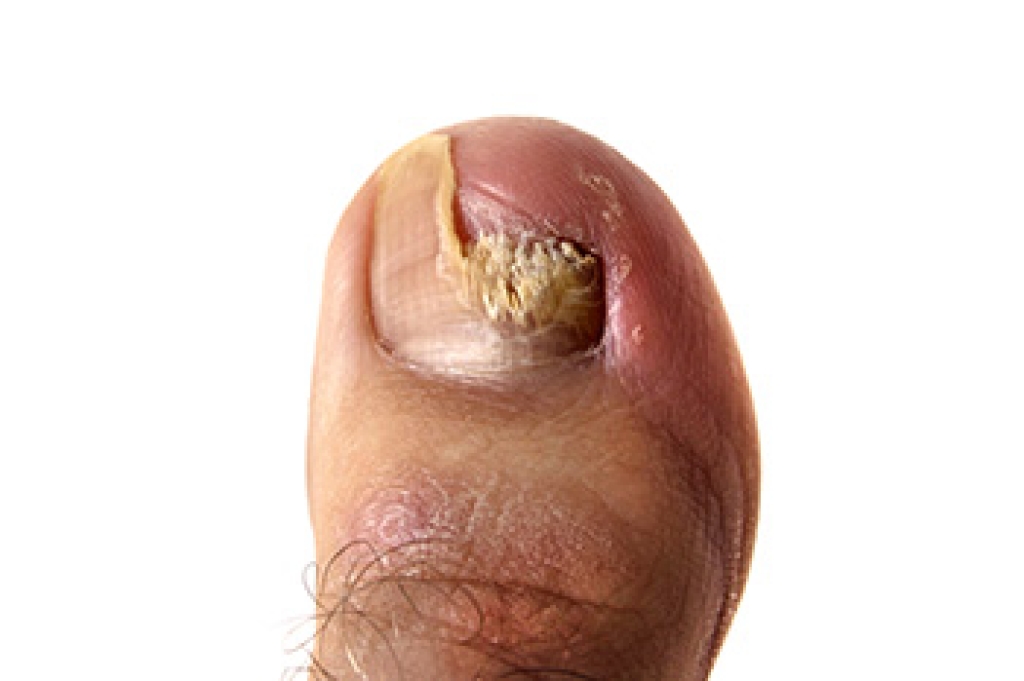
- Ingrown toenails
- Sprains
- Fractures (broken bones)
- Dislocations
When to See a Podiatrist
- Severe pain
- Persistent pain that lasts more than a week
- Signs of infection
- Continued swelling
- Pain that prevents walking
Diagnosis
In many cases the cause of toe pain is obvious, but in others, a podiatrist may want to use more advanced methods to determine the problem. These can range from simple visual inspections and sensation tests to X-rays and MRI scans. Prior medical history, family medical history, and any recent physical traumatic events will all be taken into consideration for a proper diagnosis.
Treatment
Treatments for toe pain and injuries vary and may include shoe inserts, padding, taping, medicines, injections, and in some cases, surgery. If you believe that you have broken a toe, please see a podiatrist as soon as possible.
If you have any questions please contact our offices located in Stuart, Port St. Lucie, and Hobe Sound, FL . We offer the newest diagnostic and treatment technologies for all your foot and ankle needs.