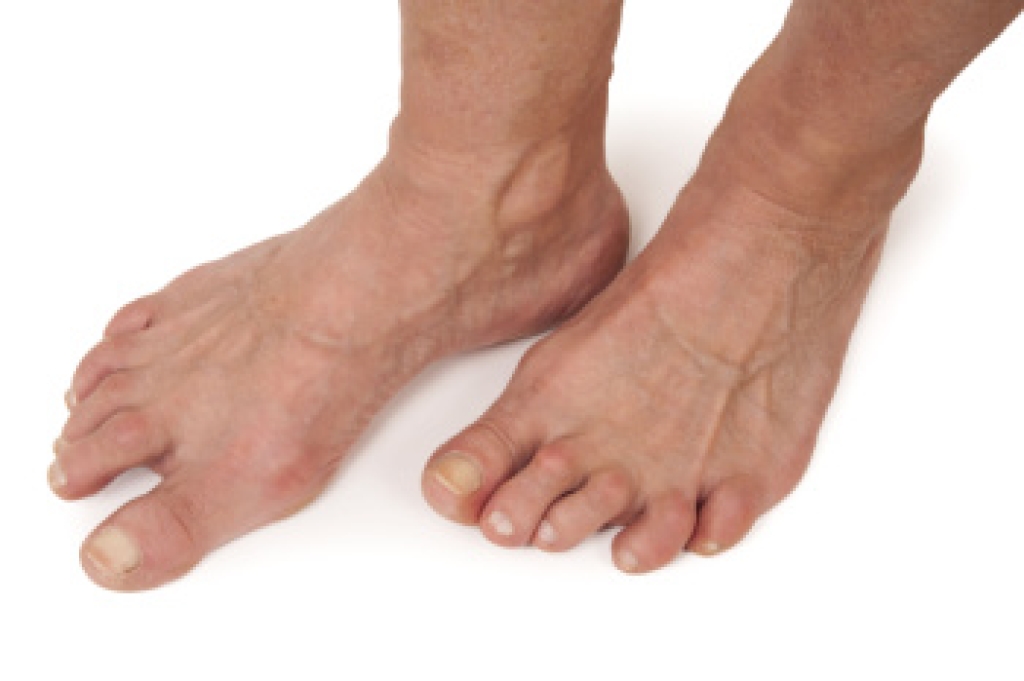
When Rheumatoid Arthritis Affects the Feet

Rheumatoid arthritis is an autoimmune disease that causes the body’s immune system to attack healthy joints, leading to inflammation, pain, and stiffness. The feet are commonly affected because they contain many small joints that absorb pressure throughout the day. Many people notice swelling, tenderness, warmth, or aching in the toes, midfoot, or ankles, especially in the morning or after periods of inactivity. As the condition progresses, joint damage may lead to changes in foot shape, difficulty walking, and painful pressure points. Some patients also develop bunions, hammertoes, or instability that affects balance and mobility. A podiatrist can evaluate joint function, monitor structural changes, recommend supportive footwear or orthotics, and help relieve pressure that contributes to discomfort. Early treatment may help reduce complications and improve movement, over time. If you experience persistent foot pain, swelling, or stiffness related to rheumatoid arthritis, it is suggested that you visit a podiatrist for treatment.

Because RA affects more than just your joints, including the joints in your feet and ankles, it is important to seek early diagnosis from your podiatrist if you feel like the pain in your feet might be caused by RA. For more information, contact One of our podiatrists of Taub Podiatry. Our doctors will assist you with all of your podiatric concerns.

What Is Rheumatoid Arthritis?

Rheumatoid Arthritis (RA) is an autoimmune disorder in which the body’s own immune system attacks the membranes surrounding the joints. Inflammation of the lining and eventually the destruction of the joint’s cartilage and bone occur, causing severe pain and immobility.

Rheumatoid Arthritis of the Feet

Although RA usually attacks multiple bones and joints throughout the entire body, almost 90 percent of cases result in pain in the foot or ankle area.

Symptoms

  • Swelling and pain in the feet
  • Stiffness in the feet
  • Pain on the ball or sole of feet
  • Joint shift and deformation

Diagnosis

Quick diagnosis of RA in the feet is important so that the podiatrist can treat the area effectively. Your doctor will ask you about your medical history, occupation, and lifestyle to determine the origin of the condition. Rheumatoid Factor tests help to determine if someone is affected by the disease.

If you have any questions, please feel free to contact our offices located in Stuart, Port St. Lucie, and Hobe Sound, FL . We offer the newest diagnostic and treatment technologies for all your foot care needs.
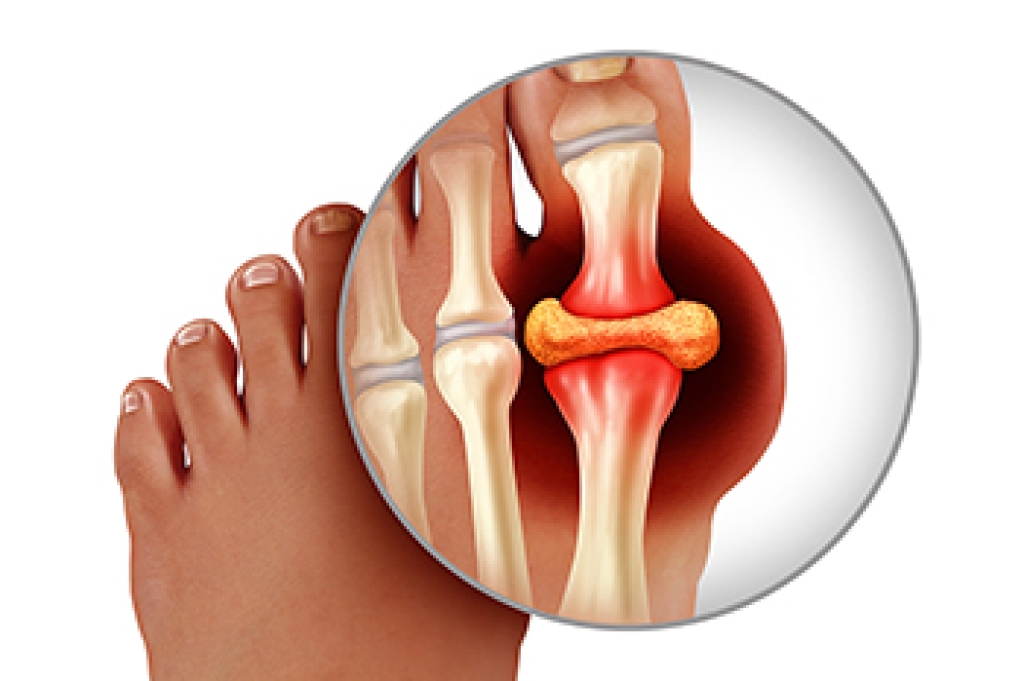
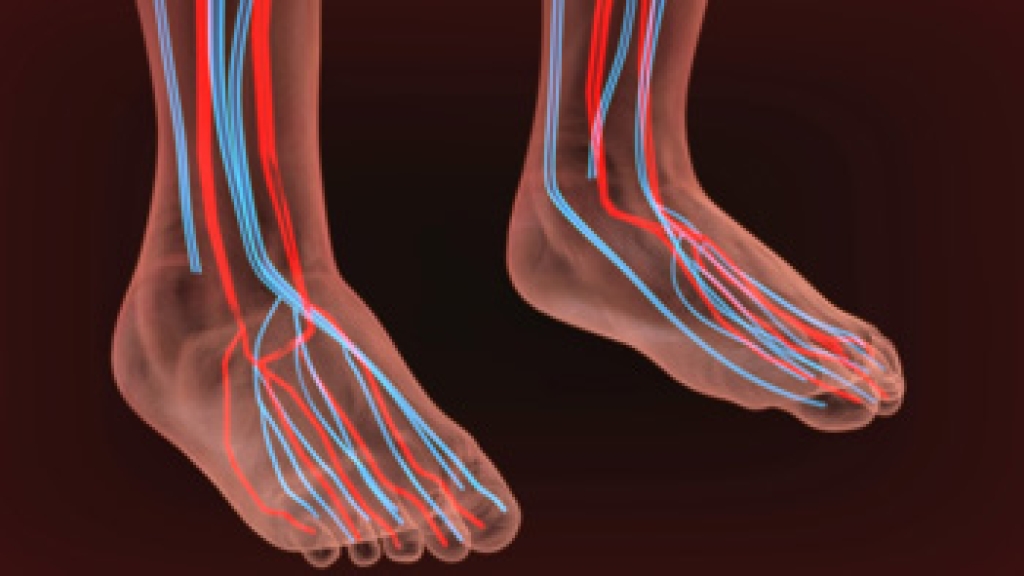
Read more about Rheumatoid Arthritis in the Feet

What Gout Is and Why It Affects the Big Toe

Gout is a form of inflammatory arthritis caused by a buildup of uric acid crystals in the joints. It often affects the big toe because this joint is more prone to cooler temperatures and stress, which can encourage crystal formation. Symptoms include sudden intense pain, redness, swelling, and warmth in the affected area. Flare-ups can occur suddenly and may limit movement. Risk factors include a diet high in purines, dehydration, certain medications, and underlying health conditions. A podiatrist can help manage symptoms, provide guidance on lifestyle changes, and recommend treatments to reduce inflammation and prevent future attacks. Gout can be painful and may impact daily activities. If you have had one or more gout attacks, it is suggested that you consult a podiatrist who can help you to manage this painful condition.

Gout is a painful condition that can be treated. If you are seeking treatment, contact One of our podiatrists from Taub Podiatry. Our doctors will treat your foot and ankle needs.

What Is Gout?

Gout is a form of arthritis that is characterized by sudden, severe attacks of pain, redness, and tenderness in the joints. The condition usually affects the joint at the base of the big toe. A gout attack can occur at any random time, such as the middle of the night while you are asleep.

Symptoms

  • Intense Joint Pain - Usually around the large joint of your big toe, and it most severe within the first four to twelve hours
  • Lingering Discomfort - Joint discomfort may last from a few days to a few weeks
  • Inflammation and Redness -Affected joints may become swollen, tender, warm and red
  • Limited Range of Motion - May experience a decrease in joint mobility

Risk Factors

  • Genetics - If family members have gout, you’re more likely to have it
  • Medications - Diuretic medications can raise uric acid levels
  • Gender/Age - Gout is more common in men until the age of 60. It is believed that estrogen protects women until that point
  • Diet - Eating red meat and shellfish increases your risk
  • Alcohol - Having more than two alcoholic drinks per day increases your risk
  • Obesity - Obese people are at a higher risk for gout

Prior to visiting your podiatrist to receive treatment for gout, there are a few things you should do beforehand. If you have gout you should write down your symptoms--including when they started and how often you experience them, important medical information you may have, and any questions you may have. Writing down these three things will help your podiatrist in assessing your specific situation so that he or she may provide the best route of treatment for you.

If you have any questions, please feel free to contact our offices located in Stuart, Port St. Lucie, and Hobe Sound, FL . We offer the newest diagnostic and treatment technologies for all your foot care needs.

Read more about Gout

Poor Circulation and Its Impact on Foot Health

Poor circulation refers to reduced blood flow to certain areas of the body, often affecting the feet and legs. It can be caused by diabetes, peripheral artery disease, and varicose veins, which interfere with healthy blood movement. Symptoms include muscle cramps, pain, and cold hands or feet, along with slow healing of minor wounds. Risk factors include smoking, inactivity, obesity, and aging. Without proper care, circulation problems can increase the risk of serious foot complications. A podiatrist can assess blood flow, identify early warning signs, and recommend treatment to improve circulation and protect foot health. If you have symptoms of poor circulation in your feet, it is suggested that you consult a podiatrist who can offer effective relief and treatment remedies.

While poor circulation itself isn’t a condition; it is a symptom of another underlying health condition you may have. If you have any concerns with poor circulation in your feet contact One of our podiatrists of Taub Podiatry. Our doctors will treat your foot and ankle needs.

Poor Circulation in the Feet

Peripheral artery disease (PAD) can potentially lead to poor circulation in the lower extremities. PAD is a condition that causes the blood vessels and arteries to narrow. In a linked condition called atherosclerosis, the arteries stiffen up due to a buildup of plaque in the arteries and blood vessels. These two conditions can cause a decrease in the amount of blood that flows to your extremities, therefore resulting in pain.

Symptoms

Some of the most common symptoms of poor circulation are:

  • Numbness
  • Tingling
  • Throbbing or stinging pain in limbs
  • Pain
  • Muscle Cramps

Treatment for poor circulation often depends on the underlying condition that causes it. Methods for treatment may include insulin for diabetes, special exercise programs, surgery for varicose veins, or compression socks for swollen legs.

As always, see a podiatrist as he or she will assist in finding a regimen that suits you. A podiatrist can also prescribe you any needed medication. 

If you have any questions, please feel free to contact our offices located in Stuart, Port St. Lucie, and Hobe Sound, FL . We offer the newest diagnostic and treatment technologies for all your foot care needs.
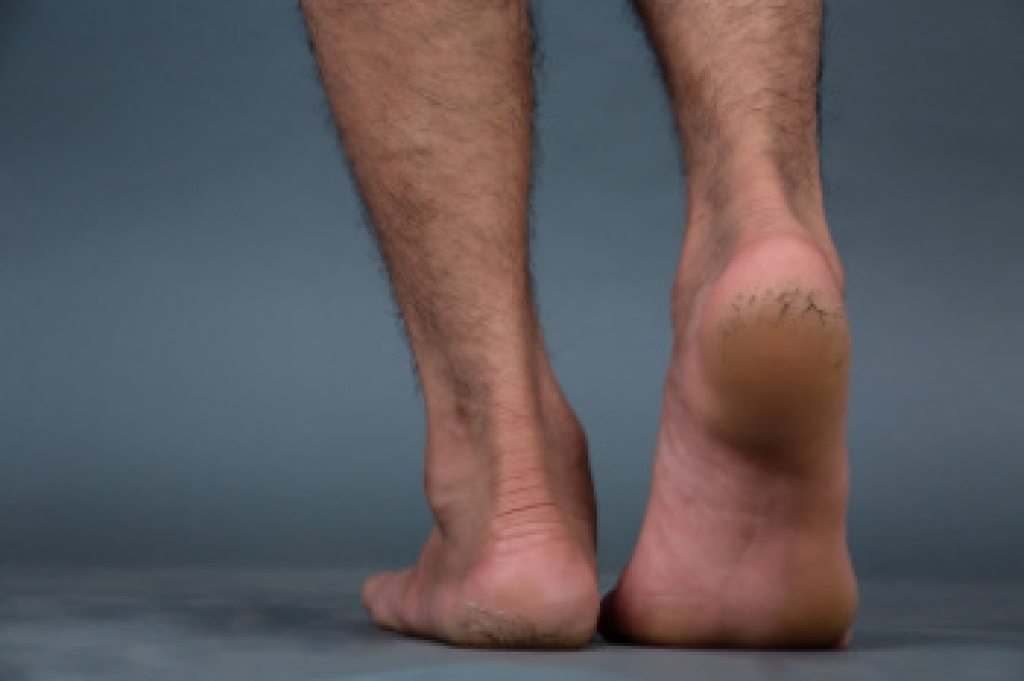
Read more about Causes, Symptoms, and Treatment of Poor Blood Circulation in the Feet

Keep Your Feet Healthy So You Can Stay Active

Have your feet inspected by a professional before starting a new sport or physical activity. Taking charge of your foot health will keep you in good physical condition and can help you avoid a potential injury, such as a fracture or sprained ankle.

Prevent injuries and see a foot specialist.

Dealing With Cracked Heels

Cracked heels develop when the skin around the heel becomes dry, thick, and splits due to pressure and lack of moisture. Causes include prolonged standing, wearing open-back shoes, and footwear that does not properly support the heel, which increases stress on the skin. Dry climates can worsen the condition by removing natural moisture. Risk factors include obesity, aging, and poor foot-care habits. Symptoms include rough skin, flaking, discomfort, and painful fissures that can deepen if untreated. A podiatrist can assess severity, remove thickened skin safely, recommend treatments, and provide guidance on proper footwear and hydration. Cracked heels can be painful. If you have developed  this condition, it is suggested that you consult a podiatrist who can offer effective treatment solutions, which may include prescribed medication.

If the skin on your feet starts to crack, you may want to see a podiatrist to find treatment. If you have any concerns, contact One of our podiatrists from Taub Podiatry. Our doctors can provide the care you need to keep you pain-free and on your feet.

Cracked Heels

It is important to moisturize your cracked heels in order to prevent pain, bleeding, and infection. The reason cracked heels form is because the skin on the foot is too dry to support the immense pressure placed on them. When the foot expands, the dry skin on the foot begins to split.

Ways to Help Heal Them

  • Invest in a good foot cream
  • Try Using Petroleum Jelly
  • Ease up on Soaps
  • Drink Plenty of Water

Ways to Prevent Cracked Heels

  • Moisturize After Showering
  • Skip a Shower
  • Keep Shower Water Lukewarm
  • Don’t Scrub Your Feet

If you are unsure how to proceed in treating cracked heels, seek guidance from a podiatrist. Your doctor will help you with any questions or information you may need. 

If you have any questions, please feel free to contact our offices located in Stuart, Port St. Lucie, and Hobe Sound, FL . We offer the newest diagnostic and treatment technologies for all your foot care needs.

Read more about Solutions for Cracked Heels
scroll to top