
Foot and Ankle Injuries Common in Runners

Every running stride places force on the feet and ankles. When that force exceeds what the tissues tolerate, pain and injury develop. A sudden increase in distance or speed raises this risk, especially when the body has little time to adjust. Uneven surfaces also contribute to ankle injuries. Foot structure and the way a runner moves influence where pressure builds. Wearing shoes that lack proper support or fit poorly add stress to vulnerable areas. Running injuries affect beginners and experienced athletes alike. A podiatrist evaluates these factors to identify the source of symptoms and guide treatment toward a safer return to activity.

Heel pain frequently comes from plantar fasciitis, which affects the thick band of tissue that supports the arch. Pain typically feels worse with the first steps after sleep or sitting. Achilles tendon injuries cause discomfort at the back of the ankle, where the tendon connects the calf muscles to the heel. Stiffness sometimes accompanies the pain. Stress fractures are small cracks in bones caused by repeated loading. These injuries often produce pain in a specific spot that worsens with activity. Ankle sprains occur when a twist stretches or tears the strong bands that support the joint. Swelling and bruising typically follow.

A podiatrist begins by asking when symptoms started and how running habits have changed. The examination includes checking tender areas, joint movement, and foot alignment. Watching a patient walk reveals movement patterns that place extra strain on injured tissues. The podiatrist also assesses shoe fit and wear patterns. X-rays help identify fractures and other bone problems. However, early stress fractures do not always appear on X-rays. An MRI scan provides a closer look when the examination suggests an injury that initial imaging does not reveal. An accurate diagnosis helps distinguish problems that cause similar pain but require different treatment approaches.

Treatment depends on the injured structure and the severity of damage. A podiatrist might prescribe a walking boot to protect a stress fracture or a brace to support an injured ankle. Custom orthotics redistribute pressure and support foot function when abnormal movement contributes to pain. For significant tendon tears or unstable fractures, surgery sometimes becomes necessary. Follow-up visits allow the podiatrist to assess healing and determine when the foot tolerates increased activity. Guidance about training demands helps reduce the risk of another injury. If you have sustained a foot or ankle injury from running, it is suggested that you schedule an appointment with a podiatrist for a diagnosis and appropriate treatment.

Exercising your feet regularly with the proper foot wear is a great way to prevent injuries. If you have any concerns about your feet, contact One of our podiatrists of Taub Podiatry. Our doctors will treat your foot and ankle needs.

How to Prevent Running Injuries

Many common running injuries are caused by overuse and overtraining. When the back of the kneecap starts wearing out and starts causing pain in your knee, this is commonly referred to as runner’s knee. Runner’s knee is a decrease in strength in your quadriceps and can occur if you’re not wearing properly fitted or supporting shoes. To prevent runner’s knee, focusing on hip strengthening is a good idea, as well as strengthening your quads to keep the kneecaps aligned.

What Are Some Causes of Running Injuries? 
- One cause of a common running injury is called iliotibial band syndrome.
- Plantar fasciitis is also another common injury.
- Stress fractures can occur from overtraining, lack of calcium, or even your running style.

Best Ways to Prevent Running Injuries
- Wear footwear that fits properly and suits your running needs.
- Running shoes are the only protective gear that runners have to safeguard them from injury.
- Make a training schedule. Adding strengthening exercises as well as regular stretching can help keep you strong and limber and can lessen the possibility of injuries.
- Stretching keeps muscles limber; this will help you gain better flexibility.

If you have any questions, please feel free to contact our offices located in Stuart, Port St. Lucie, and Hobe Sound, FL . We offer the newest diagnostic and treatment technologies for all your foot care needs.

Read more about Preventing Running Injuries

Symptoms of Tarsal Tunnel Syndrome

Tarsal tunnel syndrome is a condition that develops when the posterior tibial nerve becomes compressed as it passes through a narrow space inside the ankle called the tarsal tunnel.  This nerve helps provide sensation to the bottom of the foot and toes, so pressure can interfere with normal nerve function. Symptoms include burning pain that travels from the inner ankle into the foot. Some people experience numbness or tingling that becomes more noticeable after standing or walking for long periods. 

Several problems can contribute to tarsal tunnel syndrome by placing pressure on the tibial nerve. Foot and ankle deformities, including flat feet, may stretch the nerve or narrow the available space. Ankle sprains can cause swelling that increases pressure within the tunnel. Other possible causes include cysts, enlarged veins, and inflammatory conditions that affect nearby tissues. Diabetes and other conditions that affect nerve health can complicate symptoms and make an accurate diagnosis especially important.


Recognizing tarsal tunnel syndrome early can help prevent ongoing discomfort. Pain may feel sharp or electric, and numbness can spread across the sole or toes. Symptoms sometimes worsen during activity and improve with rest, although persistent cases may cause discomfort even while sitting. A podiatrist will review your medical history and examine the foot and ankle for tenderness, sensation changes, and possible structural problems. Additional testing, such as nerve studies or imaging, may help identify compression and rule out other causes of foot pain.


Treatment depends on what is irritating the nerve. A podiatrist may recommend supportive footwear, custom orthotics, or medication to reduce inflammation. Treating an underlying deformity may also relieve pressure. Severe cases that do not improve with conservative care may require surgery to release the compressed nerve. If you have symptoms of tarsal tunnel syndrome, it is suggested that you consult a podiatrist who can accurately diagnose and treat this condition.

Tarsal tunnel syndrome can be very uncomfortable to live with. If you are experiencing tarsal tunnel syndrome, contact One of our podiatrists of Taub Podiatry. Our doctors can provide the care you need to keep you pain-free and on your feet.

Tarsal Tunnel Syndrome

Tarsal tunnel syndrome, which can also be called tibial nerve dysfunction, is an uncommon condition of misfiring peripheral nerves in the foot. The tibial nerve is the peripheral nerve in the leg responsible for sensation and movement of the foot and calf muscles. In tarsal tunnel syndrome, the tibial nerve is damaged, causing problems with movement and feeling in the foot of the affected leg.

Common Cause of Tarsal Tunnel Syndrome

  • Involves pressure or an injury, direct pressure on the tibial nerve for an extended period of time, sometimes caused by other body structures close by or near the knee.
  • Diseases that damage nerves, including diabetes, may cause tarsal tunnel syndrome.
  • At times, tarsal tunnel syndrome can appear without an obvious cause in some cases.

The Effects of Tarsal Tunnel Syndrome

  • Different sensations, an afflicted person may experience pain, tingling, burning or other unusual sensations in the foot of the affected leg.
  • The foot muscles, toes and ankle become weaker, and curling your toes or flexing your foot can become difficult.
  • If condition worsens, infections and ulcers may develop on the foot that is experiencing the syndrome.

A physical exam of the leg can help identify the presence of tarsal tunnel syndrome. Medical tests, such as a nerve biopsy, are also used to diagnose the condition. Patients may receive physical therapy and prescriptive medication. In extreme cases, some may require surgery.

If you have any questions please contact our offices located in Stuart, Port St. Lucie, and Hobe Sound, FL . We offer the newest diagnostic and treatment technologies for all your foot and ankle needs.

Read more about Treating Tarsal Tunnel Syndrome

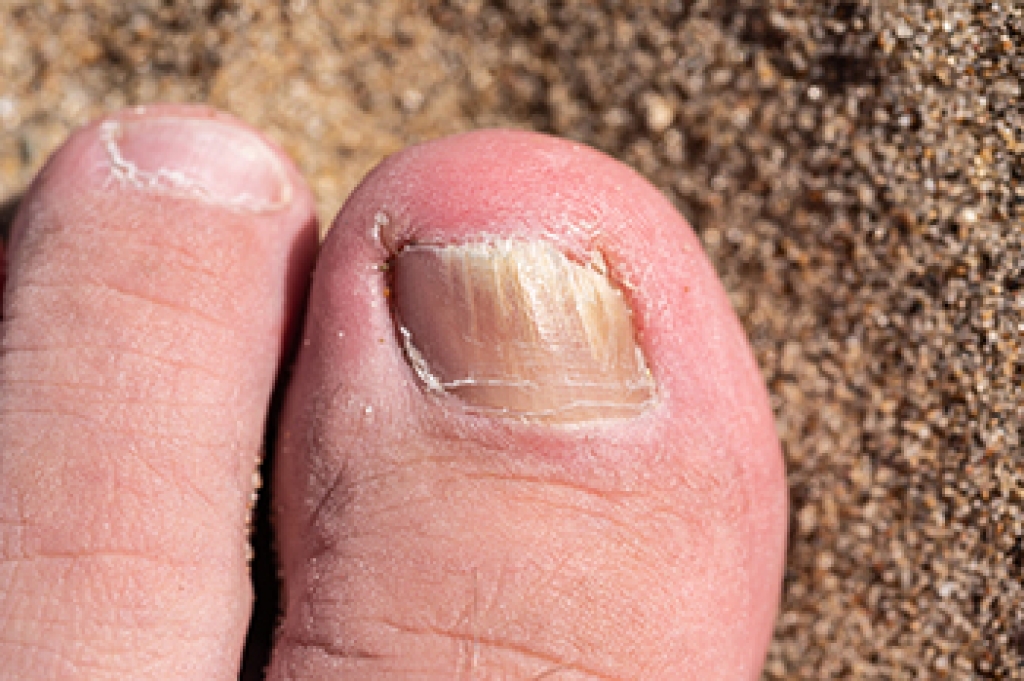
Recognizing the Stages of Fungal Toenails

A small white or yellow spot near the edge of a toenail may signal the start of a fungal infection. Fungal toenails develop when fungi enter through tiny cracks in the nail or surrounding skin. As the infection progresses, the nail may become thick, brittle, or crumbly. Debris sometimes collects underneath, and the nail may lift away from the skin beneath it. Certain changes may cause pressure inside shoes or pain while walking. The infection does not follow a fixed schedule, and mild discoloration does not always develop into severe nail damage.

Fungi thrive in warm, damp environments, which helps explain why toenails are especially vulnerable. Sweaty feet and tight-fitting shoes create conditions that encourage fungal growth. An infection in the skin, like athlete’s foot, may also spread to nearby nails. Older adults face greater risk because their nails grow more slowly and develop small cracks more easily. Diabetes, poor circulation, and a weakened immune system increase the importance of an exam from a podiatrist. However, not every thick or discolored nail contains fungus. Repeated injuries and certain skin conditions cause similar changes, making an accurate diagnosis essential before treatment begins.

A podiatrist examines the nails and surrounding skin, then collects a small nail sample for testing when appropriate. This helps confirm whether fungi are responsible and guides treatment decisions. Podiatric care focuses on controlling the infection and reducing discomfort. A podiatrist may also trim and thin affected nails to ease pressure and support treatment. The treatment plan reflects the extent of infection and the patient’s overall health. Follow-up visits allow the podiatrist to assess new nail growth and adjust care. Toenails grow slowly, so visible improvement takes months. A damaged nail may need a year or longer to grow out completely. If you have fungal toenails, it is suggested that you schedule an appointment with a podiatrist for diagnosis and treatment, which may include prescribed medication.

If left untreated, toenail fungus may spread to other toenails, skin, or even fingernails. If you suspect you have toenail fungus it is important to seek treatment right away. For more information about treatment, contact One of our podiatrists of Taub Podiatry. Our doctors can provide the care you need to keep you pain-free and on your feet.

Symptoms

  • Warped or oddly shaped nails
  • Yellowish nails
  • Loose/separated nail
  • Buildup of bits and pieces of nail fragments under the nail
  • Brittle, broken, thickened nail

Treatment

If self-care strategies and over-the-counter medications does not help your fungus, your podiatrist may give you a prescription drug instead. Even if you find relief from your toenail fungus symptoms, you may experience a repeat infection in the future.

Prevention

In order to prevent getting toenail fungus in the future, you should always make sure to wash your feet with soap and water. After washing, it is important to dry your feet thoroughly especially in between the toes. When trimming your toenails, be sure to trim straight across instead of in a rounded shape. It is crucial not to cover up discolored nails with nail polish because that will prevent your nail from being able to “breathe”.

In some cases, surgical procedure may be needed to remove the toenail fungus. Consult with your podiatrist about the best treatment options for your case of toenail fungus.  

If you have any questions please contact our offices located in Stuart, Port St. Lucie, and Hobe Sound, FL . We offer the newest diagnostic and treatment technologies for all your foot and ankle needs.

Read more about How to Treat Your Toenail Fungus
scroll to top