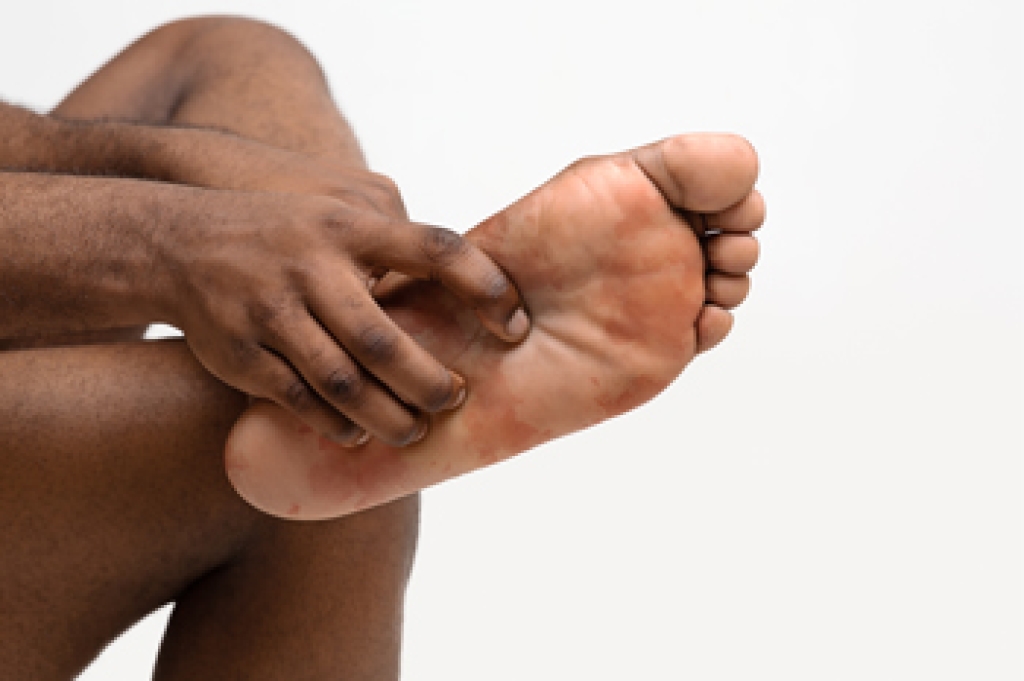
Tarsal Tunnel Syndrome Facts

Tarsal tunnel syndrome is caused by compression of the posterior tibial nerve as it passes through a narrow space inside the ankle. This pressure can lead to tingling, burning, numbness, or shooting pain in the foot and ankle. Common causes include flat feet, swelling, injury, or underlying conditions that place stress on the nerve. Risk factors include repetitive activity, improper footwear, and prolonged standing. A podiatrist can perform a thorough evaluation, identify the source of nerve compression, and develop a personalized treatment plan. Options include orthotics, footwear guidance, or targeted therapies. Early diagnosis can prevent worsening symptoms and improve mobility. If you have any of the above symptoms, it is suggested that you consult a podiatrist who can accurately diagnose and treat what may be going on.

Tarsal tunnel syndrome can be very uncomfortable to live with. If you are experiencing tarsal tunnel syndrome, contact One of our podiatrists of Taub Podiatry. Our doctors can provide the care you need to keep you pain-free and on your feet.

Tarsal Tunnel Syndrome

Tarsal tunnel syndrome, which can also be called tibial nerve dysfunction, is an uncommon condition of misfiring peripheral nerves in the foot. The tibial nerve is the peripheral nerve in the leg responsible for sensation and movement of the foot and calf muscles. In tarsal tunnel syndrome, the tibial nerve is damaged, causing problems with movement and feeling in the foot of the affected leg.

Common Cause of Tarsal Tunnel Syndrome

  • Involves pressure or an injury, direct pressure on the tibial nerve for an extended period of time, sometimes caused by other body structures close by or near the knee.
  • Diseases that damage nerves, including diabetes, may cause tarsal tunnel syndrome.
  • At times, tarsal tunnel syndrome can appear without an obvious cause in some cases.

The Effects of Tarsal Tunnel Syndrome

  • Different sensations, an afflicted person may experience pain, tingling, burning or other unusual sensations in the foot of the affected leg.
  • The foot muscles, toes and ankle become weaker, and curling your toes or flexing your foot can become difficult.
  • If condition worsens, infections and ulcers may develop on the foot that is experiencing the syndrome.

A physical exam of the leg can help identify the presence of tarsal tunnel syndrome. Medical tests, such as a nerve biopsy, are also used to diagnose the condition. Patients may receive physical therapy and prescriptive medication. In extreme cases, some may require surgery.

If you have any questions please contact our offices located in Stuart, Port St. Lucie, and Hobe Sound, FL . We offer the newest diagnostic and treatment technologies for all your foot and ankle needs.


Read more about Tarsal Tunnel Syndrome

Reasons to Have Ankle Replacement Surgery

Ankle replacement surgery is a procedure in which a damaged ankle joint is replaced with an artificial implant to restore function and reduce pain. It is typically performed by removing worn cartilage and bone, then positioning metal and plastic components to create a new joint surface that allows smoother movement. This surgery is often needed when severe arthritis causes lasting pain, stiffness, and limited mobility that does not improve with conservative care. These symptoms can interfere with walking and daily activities. A podiatrist can help by evaluating the condition, recommending appropriate treatment, and providing guidance before and after surgery. If ankle pain is affecting your quality of life, it is suggested that you consult a podiatrist who can discuss appropriate treatment solutions, which may include this type of foot surgery.

Foot surgery is sometimes necessary to treat a foot ailment. To learn more, contact One of our podiatrists of Taub Podiatry. Our doctors will assist you with all of your foot and ankle needs.

When Is Surgery Necessary?

Foot and ankle surgery is generally reserved for cases in which less invasive, conservative procedures have failed to alleviate the problem. Some of the cases in which surgery may be necessary include:

  • Removing foot deformities like bunions and bone spurs
  • Severe arthritis that has caused bone issues
  • Cosmetic reconstruction

What Types of Surgery Are There?

The type of surgery you receive will depend on the nature of the problem you have. Some of the possible surgeries include:

  • Bunionectomy for painful bunions
  • Surgical fusion for realignment of bones
  • Neuropathy decompression surgery to treat nerve damage

Benefits of Surgery

Although surgery is usually a last resort, it can provide more complete pain relief compared to non-surgical methods and may allow you to finally resume full activity.

Surgical techniques have also become increasingly sophisticated. Techniques like endoscopic surgery allow for smaller incisions and faster recovery times.

If you have any questions, please feel free to contact our offices located in Stuart, Port St. Lucie, and Hobe Sound, FL . We offer the newest diagnostic and treatment technologies for all your foot care needs.

Read more about Foot Surgery

Choosing the Right Footwear for Soccer Performance

Footwear for soccer players plays a critical role in performance, comfort, and injury prevention. Comfort ensures that the shoe supports natural foot movement and allows athletes to perform without distraction. Proprioception, or the ability to sense movement and position, is influenced by how well the shoe fits and interacts with the foot. Shoe mechanical characteristics such as flexibility, traction, and stability must match the demands of the sport and the type of field surfaces. Cleats are designed to provide grip and control, but poor design or improper fit can increase the risk of injury. A podiatrist can help evaluate foot structure and recommend appropriate footwear. If you have sustained a foot injury and want to improve performance and protect your feet, it is suggested that you consult a podiatrist who can offer relief solutions and guide you toward the right soccer footwear for your needs.

Getting the right shoe size is an important part of proper foot health. Seek the assistance of One of our podiatrists from Taub Podiatry. Our doctors will provide the care you need to keep you pain-free and on your feet.

Getting the Right Shoe Size

There are many people who wear shoes that are the incorrect size, negatively affecting their feet and posture. Selecting the right shoes is not a difficult process, so long as you keep several things in mind when it comes to choosing the right pair.

  • When visiting the shoe store, use the tools available to measure your foot.
  • Be sure there is ‘wiggle room’. There should be about an inch between your toes and the tip of your shoes.
  • Do not always assume you are the same size, as manufacturers run differently.
  • Purchase shoes later in the day, as your feet swell as the day progresses.
  • If a shoe is not comfortable, it is not suitable. Most shoes can’t be ‘broken in’, and comfort should be the ultimate goal when it comes to choosing the right pair of shoes

As our feet hold our body weight and keep us moving, it is important to treat them right. Picking the right pair of shoes can provide your feet comfort and mobility without pain.

If you have any questions, please feel free to contact our offices located in Stuart, Port St. Lucie, and Hobe Sound, FL . We offer the newest diagnostic and treatment technologies for all your foot care needs.

Read more about Getting the Right Shoe Size: To Keep Your Feet Happy

When a Lump on the Sole of the Foot Needs Attention

A bump on the bottom of the foot can be caused by several conditions, including plantar fibromas, calluses, or plantar warts. Plantar fibromas are firm nodules within the arch that may feel like a small knot under the skin. Calluses develop from repeated pressure or friction and appear as thickened, hardened skin that can become uncomfortable over time. Plantar warts are caused by a viral infection and may look rough with small dark dots, often feeling tender with pressure. Some bumps remain painless, while others cause discomfort when walking or standing. The area may look raised, thickened, or irregular depending on the cause, and many patients describe a sensation of stepping on something. A podiatrist can evaluate the size, texture, and location of the bump and may use imaging or gentle debridement to confirm the diagnosis. Treatment options include padding, orthotics, or in-office procedures. If you have a troublesome bump on the bottom of your foot, it is suggested that you make an appointment with a podiatrist.

Foot Pain

Foot pain can be extremely painful and debilitating. If you have a foot pain, consult with One of our podiatrists  from Taub Podiatry. Our doctors will assess your condition and provide you with quality foot and ankle treatment.

Causes

Foot pain is a very broad condition that could be caused by one or more ailments. The most common include:

  • Bunions
  • Hammertoes
  • Plantar Fasciitis
  • Bone Spurs
  • Corns
  • Tarsal Tunnel Syndrome
  • Ingrown Toenails
  • Arthritis (such as Gout, Rheumatoid, and Osteoarthritis)
  • Flat Feet
  • Injury (from stress fractures, broken toe, foot, ankle, Achilles tendon ruptures, and sprains)
  • And more

Diagnosis

To figure out the cause of foot pain, podiatrists utilize several different methods. This can range from simple visual inspections and sensation tests to X-rays and MRI scans. Prior medical history, family medical history, and any recent physical traumatic events will all be taken into consideration for a proper diagnosis.

Treatment

Treatment depends upon the cause of the foot pain. Whether it is resting, staying off the foot, or having surgery; podiatrists have a number of treatment options available for foot pain.

If you have any questions, please feel free to contact our offices located in Stuart, Port St. Lucie, and Hobe Sound, FL . We offer the newest diagnostic and treatment technologies for all your foot care needs.

Read more about Foot Pain

We Can Treat Your Foot or Ankle Pain

Foot or ankle pain can negatively affect your day-to-day life and can occur due to several different conditions. Pain can also be an indicator of a more serious underlying condition, which is why you should seek professional help as soon as you notice any abnormalities in your feet.

scroll to top