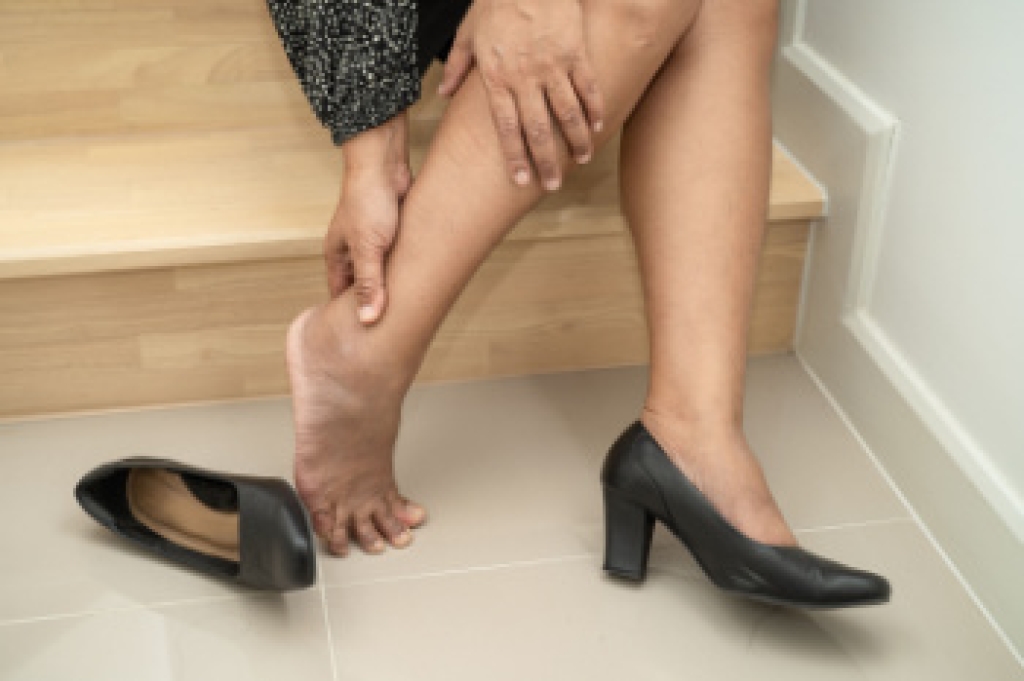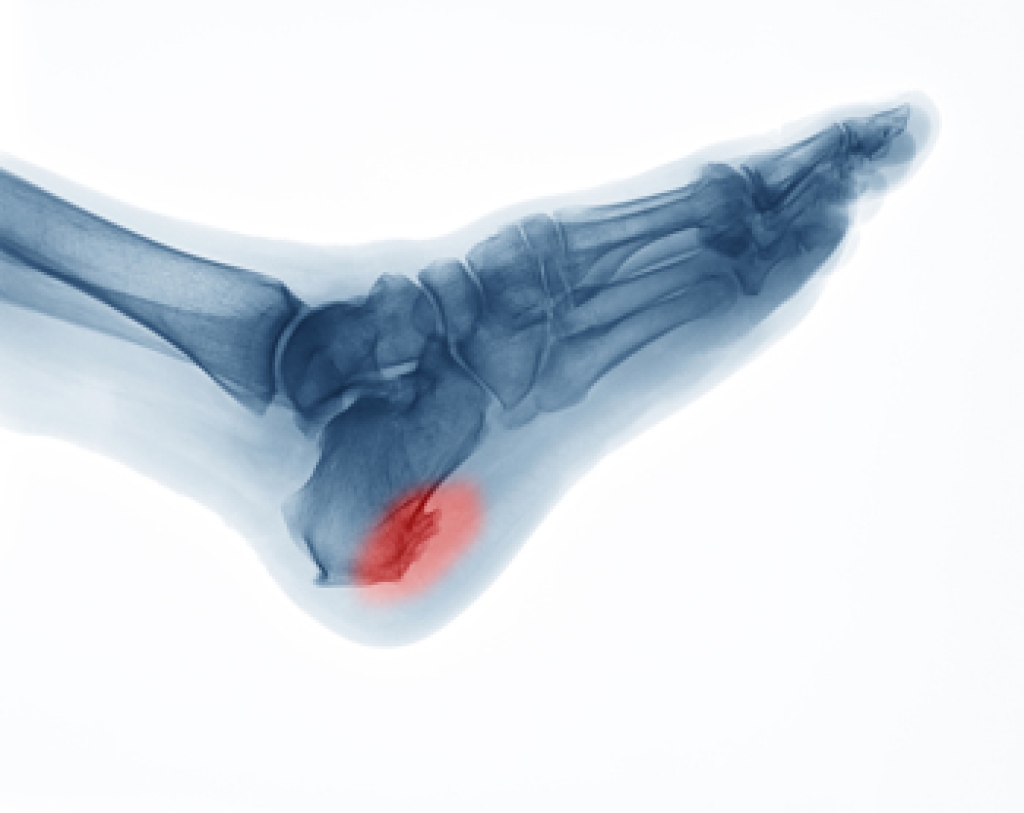
Heel spurs are bony growths that develop on the underside of the heel bone. Although they are often associated with heel pain, not all heel spurs cause symptoms. These growths typically form gradually as a result of repeated stress and strain on the foot. The condition is commonly linked to irritation of the tissues that connect the heel to the toes, as well as long-term tension on the heel bone. When symptoms occur, individuals may experience pain in the heel during walking, standing, or other weight-bearing activities. The discomfort can range from mild irritation to persistent pain that affects daily routines and overall mobility.
Several factors may increase the likelihood of developing heel spurs. Repetitive stress from walking, running, or prolonged standing can place extra pressure on the heel. Certain foot structures and movement patterns may also contribute to increased strain in the area. Over time, the body may respond to this stress by forming a small bony projection where tissues attach to the heel bone. Many people with heel spurs also experience inflammation and irritation in the surrounding soft tissues, which is often the primary source of pain. Because heel pain can result from several conditions, obtaining an accurate diagnosis is important for determining the underlying cause and appropriate treatment plan.
A podiatrist can evaluate heel pain and determine whether a heel spur is contributing to symptoms. Through a comprehensive examination of the foot and ankle, a podiatrist can assess foot structure, gait, and overall function. Professional podiatric care focuses on identifying the source of discomfort and addressing factors that place excessive stress on the heel. Early intervention may help improve mobility, reduce pain, and prevent symptoms from becoming more severe. Maintaining healthy foot mechanics is important for long-term comfort and activity. If you have heel pain related to heel spurs, it is suggested that you consult a podiatrist for an evaluation and appropriate treatment options.
Heel spurs can be incredibly painful and sometimes may make you unable to participate in physical activities. To get medical care for your heel spurs, contact One of our podiatrists from Taub Podiatry. Our doctors will do everything possible to treat your condition.
Heels Spurs
Heel spurs are formed by calcium deposits on the back of the foot where the heel is. This can also be caused by small fragments of bone breaking off one section of the foot, attaching onto the back of the foot. Heel spurs can also be bone growth on the back of the foot and may grow in the direction of the arch of the foot.
Older individuals usually suffer from heel spurs and pain sometimes intensifies with age. One of the main condition's spurs are related to is plantar fasciitis.
Pain
The pain associated with spurs is often because of weight placed on the feet. When someone is walking, their entire weight is concentrated on the feet. Bone spurs then have the tendency to affect other bones and tissues around the foot. As the pain continues, the feet will become tender and sensitive over time.
Treatments
There are many ways to treat heel spurs. If one is suffering from heel spurs in conjunction with pain, there are several methods for healing. Medication, surgery, and herbal care are some options.
If you have any questions, please feel free to contact our offices located in Stuart, Port St. Lucie, and Hobe Sound, FL . We offer the newest diagnostic and treatment technologies for all your foot care needs.