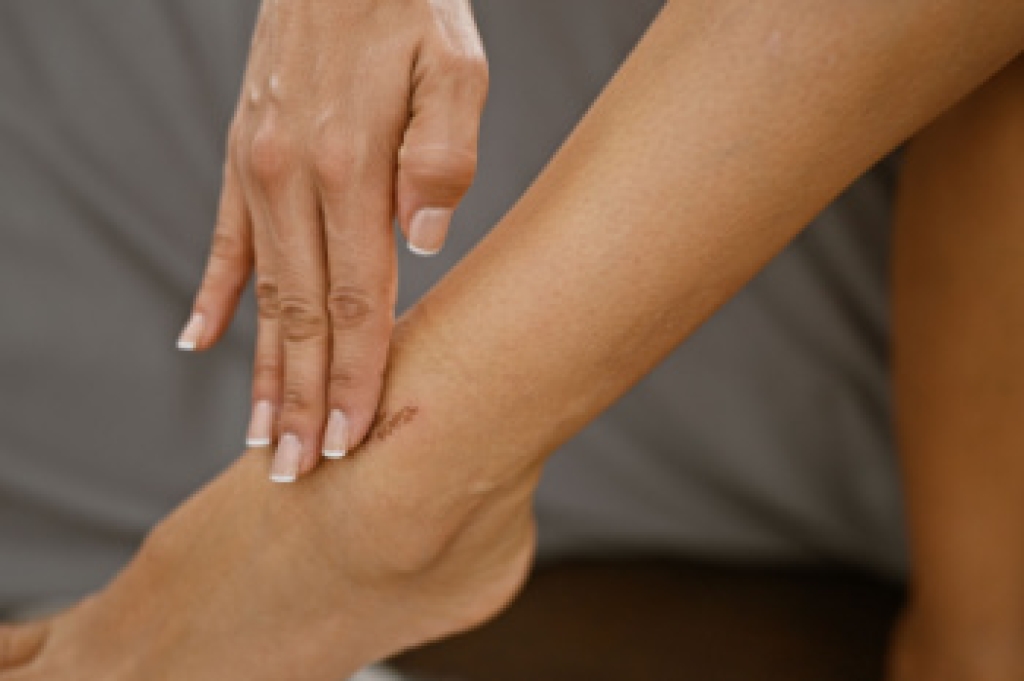
Constant care and regular evaluation are important for a foot or ankle fracture. If left untreated, foot or ankle fractures can worsen over time and create more serious problems.
Don't wait to be examined if you believe you've experienced a foot or ankle fracture.
Carrying extra body weight puts added strain on the feet every day. With each step, the heels and arches absorb more pressure than they are designed to handle. This can lead to heel pain, flattening of the arch, and aching in the ball of the foot. The joints may become stiff, tendons may feel sore, and the risk of arthritis increases over time. Some people also notice burning, swelling, or tired feet after standing or walking for short periods. Body fat can also affect how tissues function, which may increase discomfort beyond simple pressure alone. A podiatrist can examine how you stand and walk, check foot alignment, and measure areas of high pressure. Treatment includes custom orthotics, supportive bracing, and guidance to reduce stress on the feet and prevent further damage. If you have foot pain that may be related to excess weight, it is suggested that you make an appointment with a podiatrist for an exam, diagnosis, and treatment.
Obesity has become very problematic at this point in time and can have extremely negative effects on the feet. If you’re an obese individual and are concerned about your feet, contact One of our podiatrists from Taub Podiatry. Our doctors can provide the care you need to keep you pain-free and on your feet.
Obesity and Your Feet
Since your feet are what support your entire weight when standing, any additional weight can result in pain and swelling. Being overweight is one of the main contributors to foot complications.
Problems & Complications
Extra Weight – Even putting on just a few extra pounds could create serious complications for your feet. As your weight increases, your balance and body will shift, creating new stresses on your feet. This uneven weight distribution can cause pain, even while doing the simplest tasks, such as walking.
Diabetes – People who are overweight are at serious risk of developing type-2 diabetes, which has a drastic impact on the health of your feet. As you get older, your diabetes might worsen, which could lead to loss of feeling in your feet, sores, and bruises. You could also become more prone to various infections.
Plantar fasciitis – Pressure and stress that is placed on muscles, joints, and tendons can trigger plantar fasciitis, which is an inflammation of tissue that forms along the bottom of the foot.
If you have any questions, please feel free to contact our offices located in Stuart,Port St. Lucie, and Hobe Sound, FL . We offer the newest diagnostic and treatment technologies for all your foot care needs.
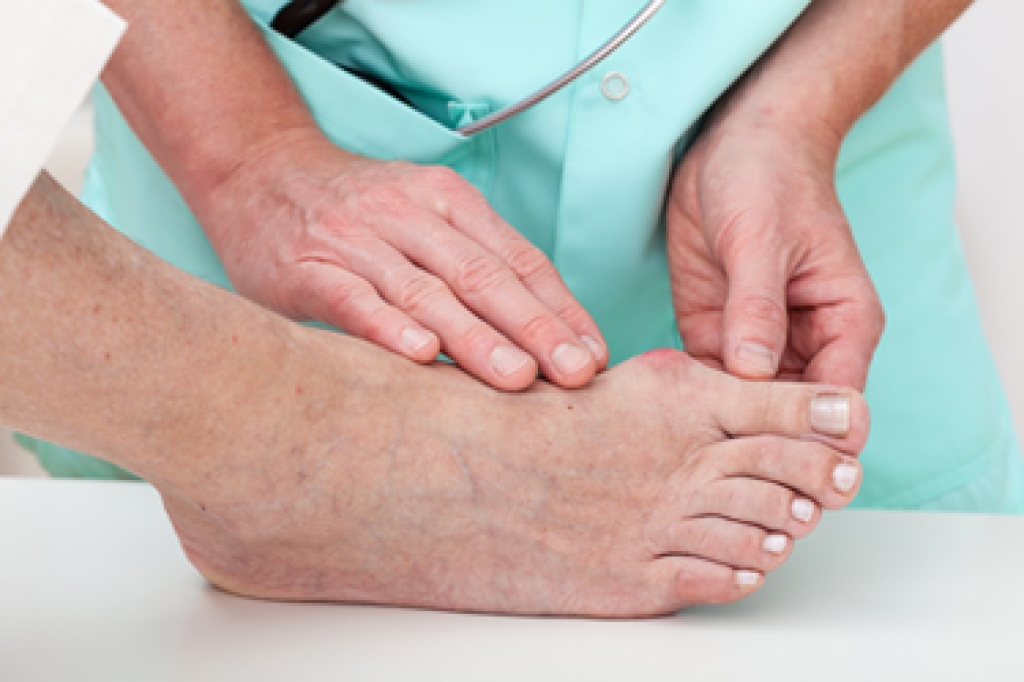
A bunion is a foot deformity that develops when the big toe shifts toward the lesser toes, creating a bony bump along the side of the foot. This alignment change increases stress on joints and soft tissue. A bunion often causes pain, swelling, stiffness, and trouble wearing shoes. It may worsen due to abnormal foot mechanics, inherited foot structure, or prolonged pressure on the forefoot. A podiatrist helps manage bunions by assessing foot alignment, gait, and deformity severity. Treatment options include shoe modifications, padding, orthotic devices, activity adjustments, and targeted therapies to reduce pressure and slow progression. In advanced cases, surgery may be needed to realign the joint and improve function. For help with managing pain caused by bunions, it is suggested that you make an appointment with a podiatrist for an exam, diagnosis, and treatment.
If you are suffering from bunions, contact One of our podiatrists of Taub Podiatry. Our doctors can provide the care you need to keep you pain-free and on your feet.
What Is a Bunion?
A bunion is formed of swollen tissue or an enlargement of boney growth, usually located at the base joint of the toe that connects to the foot. The swelling occurs due to the bones in the big toe shifting inward, which impacts the other toes of the foot. This causes the area around the base of the big toe to become inflamed and painful.
Why Do Bunions Form?
Genetics – Susceptibility to bunions are often hereditary
Stress on the feet – Poorly fitted and uncomfortable footwear that places stress on feet, such as heels, can worsen existing bunions
How Are Bunions Diagnosed?
Podiatrists often perform two tests – blood tests and x-rays – when trying to diagnose bunions, especially in the early stages of development. Blood tests help determine if the foot pain is being caused by something else, such as arthritis, while x-rays provide a clear picture of your bone structure to your provider.
How Are Bunions Treated?
Refrain from wearing heels or similar shoes that cause discomfort
Select wider shoes that can provide more comfort and reduce pain
Anti-inflammatory and pain management drugs
Orthotics or foot inserts
Surgery
If you have any questions, please feel free to contact our offices located in Stuart,Port St. Lucie, and Hobe Sound, FL . We offer the newest diagnostic and treatment technologies for all your foot care needs.
Gout is a form of inflammatory arthritis caused by a buildup of uric acid crystals in the joints, leading to sudden, severe pain, swelling, and redness. Historically known as the disease of kings due to its association with rich diets, gout can affect anyone, including women, especially after hormonal changes later in life. While the big toe is a common site, gout is not limited to that joint, and may involve the ankles, knees, feet, or other areas. Risk factors include genetics, diet, obesity, certain medications, and chronic health conditions. A podiatrist can accurately diagnose gout, manage flare-ups, provide treatment to reduce pain, protect joints, and improve mobility. If you have symptoms of gout, it is suggested that you promptly consult a podiatrist who can help you manage this painful condition.
Gout is a foot condition that requires certain treatment and care. If you are seeking treatment, contact One of our podiatrists from Taub Podiatry. Our doctors will treat your foot and ankle needs.
What Is Gout?
Gout is a type of arthritis caused by a buildup of uric acid in the bloodstream. It often develops in the foot, especially the big toe area, although it can manifest in other parts of the body as well. Gout can make walking and standing very painful and is especially common in diabetics and the obese.
People typically get gout because of a poor diet. Genetic predisposition is also a factor. The children of parents who have had gout frequently have a chance of developing it themselves.
Gout can easily be identified by redness and inflammation of the big toe and the surrounding areas of the foot. Other symptoms include extreme fatigue, joint pain, and running high fevers. Sometimes corticosteroid drugs can be prescribed to treat gout, but the best way to combat this disease is to get more exercise and eat a better diet.
If you have any questions, please feel free to contact our offices located in Stuart,Port St. Lucie, and Hobe Sound, FL . We offer the newest diagnostic and treatment technologies for all your foot care needs.
Foot wounds can develop on the surface of the skin or beneath it and they range from minor injuries to serious medical concerns. External wounds affect the outer skin while internal wounds involve deeper tissues, such as muscles, tendons, or bone. Open wounds include cuts, abrasions, punctures, lacerations, and surgical wounds where the skin is broken. Closed wounds, such as bruises or hematomas, cause damage beneath intact skin. Because the feet carry body weight and have limited blood flow in some people healing can be slow. A podiatrist can identify the wound type, check for infection, and guide proper care. Early evaluation helps prevent complications and supports healthy healing and mobility. Prompt treatment is especially important for people with diabetes, circulation problems, or nerve changes that reduce feeling in the feet and balance. If you have any type of foot wound, it is suggested that you see a podiatrist for care.
Wound care is an important part in dealing with diabetes. If you have diabetes and a foot wound or would like more information about wound care for diabetics, consult with One of our podiatrists from Taub Podiatry. Our doctors will assess your condition and provide you with quality foot and ankle treatment.
What Is Wound Care?
Wound care is the practice of taking proper care of a wound. This can range from the smallest to the largest of wounds. While everyone can benefit from proper wound care, it is much more important for diabetics. Diabetics often suffer from poor blood circulation which causes wounds to heal much slower than they would in a non-diabetic.
What Is the Importance of Wound Care?
While it may not seem apparent with small ulcers on the foot, for diabetics, any size ulcer can become infected. Diabetics often also suffer from neuropathy, or nerve loss. This means they might not even feel when they have an ulcer on their foot. If the wound becomes severely infected, amputation may be necessary. Therefore, it is of the upmost importance to properly care for any and all foot wounds.
How to Care for Wounds
The best way to care for foot wounds is to prevent them. For diabetics, this means daily inspections of the feet for any signs of abnormalities or ulcers. It is also recommended to see a podiatrist several times a year for a foot inspection. If you do have an ulcer, run the wound under water to clear dirt from the wound; then apply antibiotic ointment to the wound and cover with a bandage. Bandages should be changed daily and keeping pressure off the wound is smart. It is advised to see a podiatrist, who can keep an eye on it.
If you have any questions please contact our offices located in Stuart,Port St. Lucie, and Hobe Sound, FL . We offer the newest diagnostic and treatment technologies for all your foot and ankle needs.