
Exercises for Weak Ankles

Weak ankles can develop when the muscles and ligaments that support the joint lose strength or stability over time. This condition may appear as frequent rolling of the ankle, difficulty balancing, or discomfort during walking or physical activity. It often happens after previous sprains, long periods of inactivity, or repetitive strain that reduces joint support. To help improve strength, exercises such as isometric holds can activate stabilizing muscles without excessive movement. Tibia lifts can improve control of the lower leg, while calf raises help build strength in the muscles that support ankle motion and balance. A podiatrist can evaluate ankle stability, identify underlying biomechanical issues, and recommend targeted rehabilitation strategies for safe improvement. If you have ankle pain, it is suggested that you consult a podiatrist who can provide effective relief solutions.

Exercising your feet regularly with the proper foot wear is a great way to prevent injuries and build strength. If you have any concerns about your feet, contact One of our podiatrists from Taub Podiatry. Our doctors can provide the care you need to keep you pain-free and on your feet.

Exercise for Your Feet

Exercise for your feet can help you gain strength, mobility and flexibility in your feet. They say that strengthening your feet can be just as rewarding as strengthening another part of the body. Your feet are very important, and we often forget about them in our daily tasks. But it is because of our feet that are we able to get going and do what we need to. For those of us fortunate enough to not have any foot problems, it is an important gesture to take care of them to ensure good health in the long run.

Some foot health exercises can include ankle pumps, tip-toeing, toe rises, lifting off the floor doing reps and sets, and flexing the toes. It is best to speak with Our doctors to determine an appropriate regimen for your needs. Everyone’s needs and bodies are different, and the activities required to maintain strength in the feet vary from individual to individual. 

Once you get into a routine of doing regular exercise, you may notice a difference in your feet and how strong they may become.

If you have any questions, please feel free to contact our offices located in Stuart, Port St. Lucie, and Hobe Sound, FL . We offer the newest diagnostic and treatment technologies for all your foot care needs.


Read more about Exercise for Your Feet

Heel Pain in the Morning?

Heel pain can negatively affect your day-to-day life. Simple activities like walking can become incredibly uncomfortable or painful due to heel pain.

Don’t live with heel pain and get treated.

Why Persistent Foot Pain Should Not Be Ignored

Ongoing foot or ankle pain can make walking, exercise, and even standing through a normal day uncomfortable. Several common conditions can be responsible, including nerve irritation between the toes, inflammation of the thick band of tissue along the bottom of the foot, or strain involving the tendon that connects the calf muscles to the heel. Although the pain may feel similar at first, each condition has different causes and treatment approaches. A podiatrist can determine the source of discomfort through an exam, and recommend a care plan based on the diagnosis. Treatment may include custom shoe inserts, guided stretching, and temporary activity changes, in addition to targeted exercise therapy, or injections to reduce irritation. Early treatment may help prevent worsening symptoms and improve mobility before pain becomes more limiting. If you have consistent foot or ankle pain that interferes with daily movement, it is strongly suggested that you schedule an appointment with a podiatrist for a proper diagnosis and appropriate care.

Foot Pain

Foot pain can be extremely painful and debilitating. If you have a foot pain, consult with One of our podiatrists  from Taub Podiatry. Our doctors will assess your condition and provide you with quality foot and ankle treatment.

Causes

Foot pain is a very broad condition that could be caused by one or more ailments. The most common include:

  • Bunions
  • Hammertoes
  • Plantar Fasciitis
  • Bone Spurs
  • Corns
  • Tarsal Tunnel Syndrome
  • Ingrown Toenails
  • Arthritis (such as Gout, Rheumatoid, and Osteoarthritis)
  • Flat Feet
  • Injury (from stress fractures, broken toe, foot, ankle, Achilles tendon ruptures, and sprains)
  • And more

Diagnosis

To figure out the cause of foot pain, podiatrists utilize several different methods. This can range from simple visual inspections and sensation tests to X-rays and MRI scans. Prior medical history, family medical history, and any recent physical traumatic events will all be taken into consideration for a proper diagnosis.

Treatment

Treatment depends upon the cause of the foot pain. Whether it is resting, staying off the foot, or having surgery; podiatrists have a number of treatment options available for foot pain.

If you have any questions, please feel free to contact our offices located in Stuart, Port St. Lucie, and Hobe Sound, FL . We offer the newest diagnostic and treatment technologies for all your foot care needs.

Read more about Foot Pain

Painful Plantar Warts

Plantar warts are small growths that develop on the bottom of the foot after the skin is infected with the human papillomavirus, also called HPV. These warts often appear on weight-bearing areas, such as the heel or ball of the foot. They may feel like stepping on a pebble or rough surface while walking. The skin can look thickened or grainy, sometimes with tiny black dots that are clotted blood vessels inside the wart. Plantar warts may cause discomfort when pressure is applied and can spread, if left untreated. The virus commonly enters through small cuts or cracks in the skin. It is often picked up in warm, moist environments, such as locker rooms, pools, or shared showers. A podiatrist can identify whether the lesion is a wart or another skin condition and recommend the most effective treatment. Care may include topical medication, removal procedures, or other treatments to reduce pain and prevent spreading. If you have plantar warts, it is suggested that you schedule an appointment with a podiatrist for effective relief and treatment solutions.

Plantar warts can be very uncomfortable. If you need your feet checked, contact One of our podiatrists from Taub Podiatry. Our doctors will assist you with all of your foot and ankle needs.

About Plantar Warts

Plantar warts are the result of HPV, or human papillomavirus, getting into open wounds on the feet. They are mostly found on the heels or balls of the feet.

While plantar warts are generally harmless, those experiencing excessive pain or those suffering from diabetes or a compromised immune system require immediate medical care. Plantar warts are easily diagnosed, usually through scraping off a bit of rough skin or by getting a biopsy.

Symptoms

  • Lesions on the bottom of your feet, usually rough and grainy
  • Hard or thick callused spots
  • Wart seeds, which are small clotted blood vessels that look like little black spots
  • Pain, discomfort, or tenderness of your feet when walking or standing

Treatment

  • Freezing
  • Electric tool removal
  • Laser Treatment
  • Topical Creams (prescription only)
  • Over-the-counter medications

To help prevent developing plantar warts, avoid walking barefoot over abrasive surfaces that can cause cuts or wounds for HPV to get into. Avoiding direct contact with other warts, as well as not picking or rubbing existing warts, can help prevent the further spread of plantar warts. However, if you think you have developed plantar warts, speak to your podiatrist. He or she can diagnose the warts on your feet and recommend the appropriate treatment options.

If you have any questions, please feel free to contact our offices located in Stuart, Port St. Lucie, and Hobe Sound, FL . We offer the newest diagnostic and treatment technologies for all your foot care needs.
Read more about What Are Plantar Warts?

When Rheumatoid Arthritis Affects the Feet

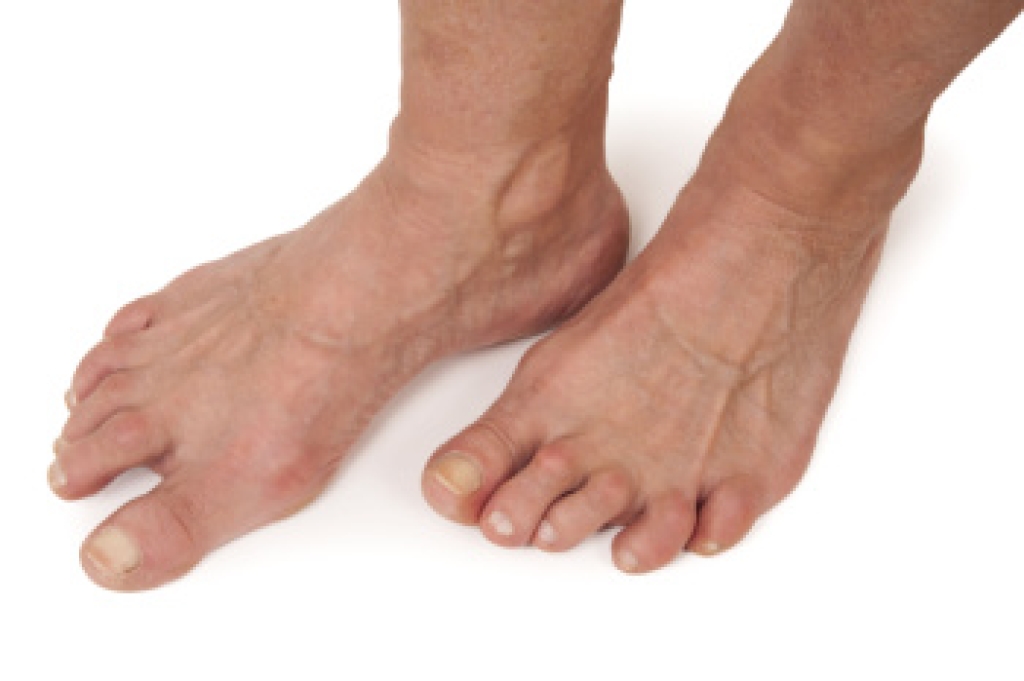
Rheumatoid arthritis is an autoimmune disease that causes the body’s immune system to attack healthy joints, leading to inflammation, pain, and stiffness. The feet are commonly affected because they contain many small joints that absorb pressure throughout the day. Many people notice swelling, tenderness, warmth, or aching in the toes, midfoot, or ankles, especially in the morning or after periods of inactivity. As the condition progresses, joint damage may lead to changes in foot shape, difficulty walking, and painful pressure points. Some patients also develop bunions, hammertoes, or instability that affects balance and mobility. A podiatrist can evaluate joint function, monitor structural changes, recommend supportive footwear or orthotics, and help relieve pressure that contributes to discomfort. Early treatment may help reduce complications and improve movement, over time. If you experience persistent foot pain, swelling, or stiffness related to rheumatoid arthritis, it is suggested that you visit a podiatrist for treatment.

Because RA affects more than just your joints, including the joints in your feet and ankles, it is important to seek early diagnosis from your podiatrist if you feel like the pain in your feet might be caused by RA. For more information, contact One of our podiatrists of Taub Podiatry. Our doctors will assist you with all of your podiatric concerns.

What Is Rheumatoid Arthritis?

Rheumatoid Arthritis (RA) is an autoimmune disorder in which the body’s own immune system attacks the membranes surrounding the joints. Inflammation of the lining and eventually the destruction of the joint’s cartilage and bone occur, causing severe pain and immobility.

Rheumatoid Arthritis of the Feet

Although RA usually attacks multiple bones and joints throughout the entire body, almost 90 percent of cases result in pain in the foot or ankle area.

Symptoms

  • Swelling and pain in the feet
  • Stiffness in the feet
  • Pain on the ball or sole of feet
  • Joint shift and deformation

Diagnosis

Quick diagnosis of RA in the feet is important so that the podiatrist can treat the area effectively. Your doctor will ask you about your medical history, occupation, and lifestyle to determine the origin of the condition. Rheumatoid Factor tests help to determine if someone is affected by the disease.

If you have any questions, please feel free to contact our offices located in Stuart, Port St. Lucie, and Hobe Sound, FL . We offer the newest diagnostic and treatment technologies for all your foot care needs.

Read more about Rheumatoid Arthritis in the Feet
scroll to top