Items filtered by date: January 2026
When One Wrong Step Changes Everything
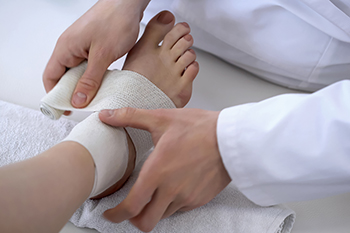
A twisted ankle, also known as an ankle sprain, occurs when the ligaments supporting the ankle are stretched or torn. This can happen during sports, walking, or running on uneven surfaces, or with sudden missteps. The ankle may look swollen, bruised, or puffy, and in some cases, appear unstable or misshapen. It often feels painful right away, with sensations ranging from sharp pain to aching, stiffness, or tenderness when bearing weight. A podiatrist can help from the start by evaluating the injury, checking joint stability, and using imaging when needed to confirm the diagnosis and rule out fractures. Early treatment may include immobilization, bracing, and activity modification. Care can then progress into strengthening exercises and custom orthotics to restore stability and prevent repeat injuries. Prompt treatment supports proper healing and long-term ankle health. If you think you have sprained your ankle, it is suggested that you make an appointment with a podiatrist.
Although ankle sprains are common, they aren’t always minor injuries. If you need your ankle injury looked at, contact One of our podiatrists from Taub Podiatry. Our doctors can provide the care you need to keep you pain-free and on your feet.
How Does an Ankle Sprain Occur?
Ankle sprains are the result of a tear in the ligaments within the ankle. These injuries may happen when you make a rapid shifting movement while your foot is planted. A less common way to sprain your ankle is when your ankle rolls inward while your foot turns outward.
What Are the Symptoms?
- Pain at the sight of the tear
- Bruising/Swelling
- Ankle area is tender to touch
- In severe cases, may hear/feel something tear
- Skin discoloration
Preventing a Sprain
- Wearing appropriate shoes for the occasion
- Stretching before exercises and sports
- Knowing your limits
Treatment of a Sprain
In many cases, the RICE method (Rest, Ice, Compression, and Elevate) is used to treat ankle sprains. However, you should see a podiatrist to see which treatment option would work best with your injury. In severe cases, surgery may be required.
It is important to ask your doctor about rehab options after you receive treatment for your injury. Stretching, strength training, and balance exercises may help the ankle heal while also preventing further injury.
If you have any questions, please feel free to contact our offices located in Stuart, Port St. Lucie, and Hobe Sound, FL . We offer the newest diagnostic and treatment technologies for all your foot care needs.
Ankle Fracture? Don’t Wait for Treatment

If you're suffering from an ankle fracture, professional attention shouldn't wait. Fractures may worsen over time and can make completing everyday activities incredibly difficult. See your specialist for treatment and guidance through the healing process.
When Dry Skin Breaks Down
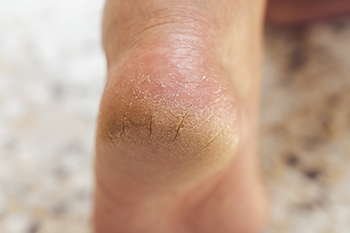
Cracked heels occur when the skin around the heel becomes excessively dry and thick, then splits. The heels may look rough, or yellowed, with visible lines or deep fissures that can sometimes bleed. The skin often feels tight and itchy, especially when standing or walking for long periods. Causes include dry weather, prolonged standing, and certain medical conditions like diabetes or skin disorders. A podiatrist can help from the start by accurately diagnosing the severity of the cracks and identifying contributing factors. Early treatment may include safe debridement of thickened skin, prescription moisturizers, and infection prevention. Care can then progress into customized treatment plans, footwear recommendations, and long-term skin care education to prevent recurrence. Proper foot care can improve comfort and restore skin health. If you are dealing with painful cracked heels, it is suggested that you make an appointment with a podiatrist.
Cracked heels are unsightly and can cause further damage to your shoes and feet. If you have any concerns, contact One of our podiatrists from Taub Podiatry. Our doctors can provide the care you need to keep you pain-free and on your feet.
Cracked Heels
Cracked heels appear unappealing and can make it harder for you walk around in sandals. Aside from looking unpleasant, cracked heels can also tear stockings, socks, and wear out your shoes. There are several methods to help restore a cracked heel and prevent further damage.
How Do You Get Them?
Dry skin is the number one culprit in creating cracked heels. Many athletes, walkers, joggers, and even swimmers suffer from cracked heels. Age and skin oil production play a role to getting cracked heels as well.
Promote Healing
Over the counter medicines can help, especially for those that need instant relief or who suffer from chronic dry feet.
Wear Socks – Wearing socks with medicated creams helps lock in moisture.
Moisturizers – Applying both day and night will help alleviate dryness which causes cracking.
Pumice Stones – These exfoliate and remove dead skin, which allows for smoother moisturizer application and better absorption into the skin.
Change in Diet
Eating healthy with a well-balanced diet will give the skin a fresh and radiant look. Your body responds to the kinds of food you ingest. Omega-3 fatty acids and zinc supplements can also revitalize skin tissue.
Most importantly, seek professional help if unsure how to proceed in treating cracked heels. A podiatrist will help you with any questions or information needed.
If you have any questions, please feel free to contact our offices located in Stuart, Port St. Lucie, and Hobe Sound, FL . We offer the newest diagnostic and treatment technologies for all your foot care needs.
Weill Marchesani Syndrome and Its Effects on the Feet

Weill Marchesani Syndrome is a rare genetic condition best known for its impact on the eyes, joints, and overall body structure, yet it can also influence foot mechanics in ways that affect mobility and daily comfort. Individuals with this condition often have short, broad hands and feet, along with stiff joints that limit flexibility. When the joints of the feet are less mobile, walking can place extra strain on the arches, heels, and forefoot. Some people develop a flat foot structure or experience difficulty with balance because the feet cannot adapt easily to different surfaces. Tightness in the tendons may contribute to discomfort during activity, while reduced joint motion can lead to early fatigue or altered gait patterns. A podiatrist can help by evaluating foot alignment, identifying pressure points, and recommending supportive footwear or custom orthotics to improve comfort and stability. If you have this rare disease, it is suggested that you get regular foot monitoring by a podiatrist to prevent secondary issues such as calluses, tendon strain, or joint pain.
Some foot conditions may require additional professional care. If you have any concerns, contact One of our podiatrists of Taub Podiatry. Our doctors can provide the care you need to keep you pain-free and on your feet.
Rare Foot Conditions
The majority of foot conditions are common and can be treated by a podiatrist. Standard diagnostic procedures are generally used to identify specific conditions and treatment can be rendered. A podiatrist also treats rare foot conditions which can be difficult to diagnose and may need extra attention and care.
There are many rare foot conditions that can affect children. Some of these can include:
- Freiberg’s disease
- Kohler’s disease
- Maffucci syndrome
Freiberg’s disease - This can be seen as a deterioration and flattening of a metatarsal bone that exists in the ball of the foot. It typically affects pre-teen and teenage girls, but can affect anyone at any age. Symptoms that can accompany this can be swelling, stiffness, and the patient may limp.
Kohler’s disease - This often targets the bone in the arch of the foot and affects younger boys. It can lead to an interruption of the blood supply which ultimately can lead to bone deterioration. The patient may limp or experience tenderness, swelling, and redness.
Maffucci syndrome - This affects the long bones in a child’s foot leading to the development of abnormal bone lesions. They are benign growths and typically develop in early childhood and the bones may be susceptible to breaking.
A podiatrist can properly diagnose and treat all types of rare foot conditions. If your child is affected by any of these symptoms or conditions, please don’t hesitate to call our office so the correct treatment method can begin.
If you have any questions, please feel free to contact our offices located in Stuart, Port St. Lucie, and Hobe Sound, FL . We offer the newest diagnostic and treatment technologies for all your foot care needs.
Types of Diabetic Foot Problems
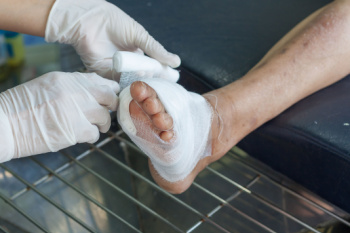
Diabetes is a chronic condition in which the body has difficulty regulating blood sugar, leading to changes that can affect the feet. Diabetic foot problems develop when nerve damage and poor circulation interfere with normal sensation and healing. Loss of feeling in the feet is common and may prevent awareness of cuts or pressure injuries. Changes in skin color or temperature can signal circulation issues, while fungal infections may develop more easily due to weakened skin defenses. Risk factors include long-standing diabetes, poor blood sugar control, smoking, improper footwear, and limited mobility. A podiatrist can help by performing routine foot exams, identifying early changes, treating infections, and providing guidance on proper foot care and footwear. Custom orthotics and preventive care can reduce pressure and protect the feet. If you have diabetes or notice numbness, skin changes, or infections, it is strongly suggested that you are under the care of a podiatrist who can help you to manage this serious condition.
Diabetic foot care is important in preventing foot ailments such as ulcers. If you are suffering from diabetes or have any other concerns about your feet, contact One of our podiatrists from Taub Podiatry. Our doctors can provide the care you need to keep you pain-free and on your feet.
Diabetic Foot Care
Diabetes affects millions of people every year. The condition can damage blood vessels in many parts of the body, especially the feet. Because of this, taking care of your feet is essential if you have diabetes, and having a podiatrist help monitor your foot health is highly recommended.
The Importance of Caring for Your Feet
- Routinely inspect your feet for bruises or sores.
- Wear socks that fit your feet comfortably.
- Wear comfortable shoes that provide adequate support.
Patients with diabetes should have their doctor monitor their blood levels, as blood sugar levels play such a huge role in diabetic care. Monitoring these levels on a regular basis is highly advised.
It is always best to inform your healthcare professional of any concerns you may have regarding your feet, especially for diabetic patients. Early treatment and routine foot examinations are keys to maintaining proper health, especially because severe complications can arise if proper treatment is not applied.
If you have any questions, please feel free to contact our offices located in Stuart, Port St. Lucie, and Hobe Sound, FL . We offer the newest diagnostic and treatment technologies for all your foot care needs.
