Foot or ankle pain can negatively affect your day-to-day life and can occur due to several different conditions. Pain can also be an indicator of a more serious underlying condition, which is why you should seek professional help as soon as you notice any abnormalities in your feet.
Fall-proofing the home is an important step in protecting overall health and preventing injuries, especially those affecting the feet and lower extremities. Simple adjustments can make daily movement safer and more comfortable. Begin by checking front steps to ensure they are stable and free of hazards. Proper lighting throughout the home helps improve visibility and reduces the risk of tripping in dark areas. Installing a grab bar in bathrooms or near stairways provides additional support and balance. Keeping everyday items within easy reach helps avoid unnecessary stretching or climbing. Reducing clutter on floors and walkways also lowers the chance of accidental falls. Preventing falls helps protect the feet from fractures, sprains, and painful long-term mobility problems. If you have injured your foot or ankle from falling, it is suggested that you consult a podiatrist who can treat various foot and ankle injuries and provide additional fall prevention tips.
Preventing falls among the elderly is very important. If you are older and have fallen or fear that you are prone to falling, consult with One of our podiatrists from Taub Podiatry. Our doctors will assess your condition and provide you with quality advice and care.
Every 11 seconds, an elderly American is being treated in an emergency room for a fall related injury. Falls are the leading cause of head and hip injuries for those 65 and older. Due to decreases in strength, balance, senses, and lack of awareness, elderly persons are very susceptible to falling. Thankfully, there are a number of things older persons can do to prevent falls.
How to Prevent Falls
Some effective methods that older persons can do to prevent falls include:
Enrolling in strength and balance exercise program to increase balance and strength
Periodically having your sight and hearing checked
Discuss any medications you have with a doctor to see if it increases the risk of falling
Clearing the house of falling hazards and installing devices like grab bars and railings
Utilizing a walker or cane
Wearing shoes that provide good support and cushioning
Talking to family members about falling and increasing awareness
Falling can be a traumatic and embarrassing experience for elderly persons; this can make them less willing to leave the house, and less willing to talk to someone about their fears of falling. Doing such things, however, will increase the likelihood of tripping or losing one’s balance. Knowing the causes of falling and how to prevent them is the best way to mitigate the risk of serious injury.
If you have any questions, please feel free to contact our offices located in Stuart,Port St. Lucie, and Hobe Sound, FL . We offer the newest diagnostic and treatment technologies for all your foot care needs.
A stress fracture in the foot is a small crack in a bone caused by repeated pressure over time. These injuries often develop when the foot absorbs more force than the bones can handle. Many stress fractures occur in athletes who run, jump, or change direction frequently in sports such as basketball, tennis, and gymnastics. They can also affect runners and people who suddenly increase the intensity, duration, or frequency of exercise. The crack in the bone may be extremely small, sometimes as thin as a strand of hair, but it can still cause significant pain. Other risk factors include poor footwear, changes in training surfaces, weak bones, or abnormal foot structure that places extra pressure on certain areas. Stress fractures most often affect the metatarsals, which are the long bones that connect the toes to the midfoot. A podiatrist can evaluate symptoms, examine the foot, and use imaging tests to confirm the diagnosis and guide proper care. If you have symptoms of a stress fracture, it is suggested that you make an appointment with a podiatrist for an exam, diagnosis, and treatment.
Activities where too much pressure is put on the feet can cause stress fractures. To learn more, contact One of our podiatrists from Taub Podiatry. Our doctors can provide the care you need to keep your pain free and on your feet.
Dealing with Stress Fractures of the Foot and Ankle
Stress fractures occur in the foot and ankle when muscles in these areas weaken from too much or too little use. The feet and ankles then lose support when walking or running from the impact of the ground. Since there is no protection, the bones receive the full impact of each step. Stress on the feet can cause cracks to form in the bones, thus creating stress fractures.
What Are Stress Fractures?
Stress fractures occur frequently in individuals whose daily activities cause great impact on the feet and ankles. Stress factors are most common among:
Runners
People affected with Osteoporosis
Tennis or basketball players
Gymnasts
High impact workouts
Symptoms
Pain from the fractures occur in the area of the fractures and can be constant or intermittent. It will often cause sharp or dull pain with swelling and tenderness. Engaging in any kind of activity which involves high impact will aggravate pain.
If you have any questions please contact our offices located in Stuart,Port St. Lucie, and Hobe Sound, FL . We offer the newest diagnostic and treatment technologies for all your foot and ankle needs.
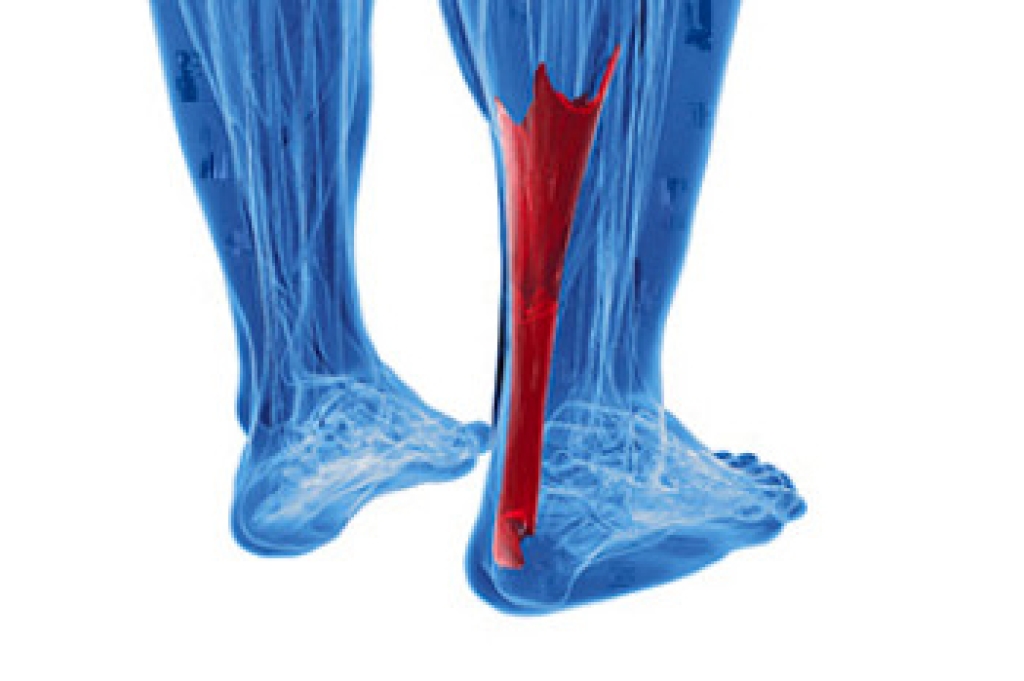
Achilles tendon injuries are a common concern for basketball players because the sport requires frequent jumping, rapid direction changes, and explosive movements. The Achilles tendon connects the calf muscles to the heel bone and plays an essential role in running and jumping. Repeated strain and sudden force can lead to inflammation or tearing of this tendon. Causes include overuse, tight calf muscles, inadequate stretching, and wearing improper footwear. Symptoms often include pain along the back of the heel, stiffness, swelling, and difficulty pushing off the foot during movement. These injuries can significantly decrease athletic performance and limit participation in sports. A podiatrist can evaluate tendon health, recommend supportive treatment, and guide recovery strategies. If you have persistent heel or tendon pain, it is suggested that you consult a podiatrist for appropriate relief and treatment solutions.
Achilles tendon injuries need immediate attention to avoid future complications. If you have any concerns, contact One of our podiatrists of Taub Podiatry. Our doctors can provide the care you need to keep you pain-free and on your feet.
What Is the Achilles Tendon?
The Achilles tendon is a tendon that connects the lower leg muscles and calf to the heel of the foot. It is the strongest tendon in the human body and is essential for making movement possible. Because this tendon is such an integral part of the body, any injuries to it can create immense difficulties and should immediately be presented to a doctor.
What Are the Symptoms of an Achilles Tendon Injury?
There are various types of injuries that can affect the Achilles tendon. The two most common injuries are Achilles tendinitis and ruptures of the tendon.
Achilles Tendinitis Symptoms
Inflammation
Dull to severe pain
Increased blood flow to the tendon
Thickening of the tendon
Rupture Symptoms
Extreme pain and swelling in the foot
Total immobility
Treatment and Prevention
Achilles tendon injuries are diagnosed by a thorough physical evaluation, which can include an MRI. Treatment involves rest, physical therapy, and in some cases, surgery. However, various preventative measures can be taken to avoid these injuries, such as:
Thorough stretching of the tendon before and after exercise
Strengthening exercises like calf raises, squats, leg curls, leg extensions, leg raises, lunges, and leg presses
If you have any questions please feel free to contact our offices located in Stuart,Port St. Lucie, and Hobe Sound, FL . We offer the newest diagnostic tools and technology to treat your foot and ankle needs.
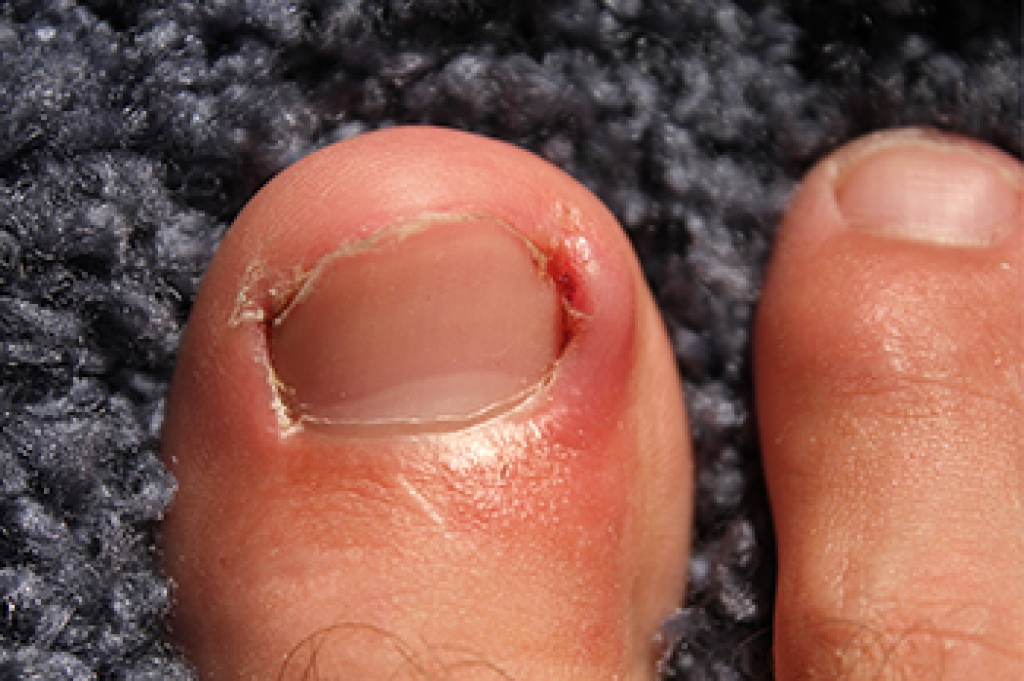
An ingrown toenail develops when the edge of the nail presses into the surrounding skin, leading to redness, swelling, and sharp pain along the border of the nail. It may look puffy or irritated and can sometimes drain if infection is present. This condition often occurs after improper trimming, tight shoes, or injury to the toe. Early treatment may include careful trimming and reducing pressure, but when the problem becomes chronic, more advanced care is needed. A traditional matrixectomy removes part of the nail root to permanently narrow the nail and prevent regrowth along the painful edge. A nail brace offers a more conservative option by gently lifting and reshaping the nail over time without removing tissue. A podiatrist will evaluate the severity, discuss health history, and recommend the most appropriate solution. If you have an ingrown toenail that continues to return or becomes infected, it is suggested that you make an appointment with a podiatrist.
Ingrown toenails may initially present themselves as a minor discomfort, but they may progress into an infection in the skin without proper treatment. For more information about ingrown toenails, contact One of our podiatrists of Taub Podiatry. Our doctors can provide the care you need to keep you pain-free and on your feet.
Ingrown Toenails
Ingrown toenails are caused when the corner or side of a toenail grows into the soft flesh surrounding it. They often result in redness, swelling, pain, and in some cases, infection. This condition typically affects the big toe and may recur if it is not treated properly.
Causes
Improper toenail trimming
Genetics
Improper shoe fitting
Injury from pedicures or nail picking
Abnormal gait
Poor hygiene
You are more likely to develop an ingrown toenail if you are obese, have diabetes, arthritis, or have any fungal infection in your nails. Additionally, people who have foot or toe deformities are at a higher risk of developing an ingrown toenail.
Symptoms
Some symptoms of ingrown toenails are redness, swelling, and pain. In rare cases, there may be a yellowish drainage coming from the nail.
Treatment
Ignoring an ingrown toenail can have serious complications. Infections of the nail border can progress to a deeper soft-tissue infection, which can then turn into a bone infection. You should always speak with your podiatrist if you suspect you have an ingrown toenail, especially if you have diabetes or poor circulation.
If you have any questions, please feel free to contact our offices located in Stuart,Port St. Lucie, and Hobe Sound, FL . We offer the newest diagnostic and treatment technologies for all your foot care needs.