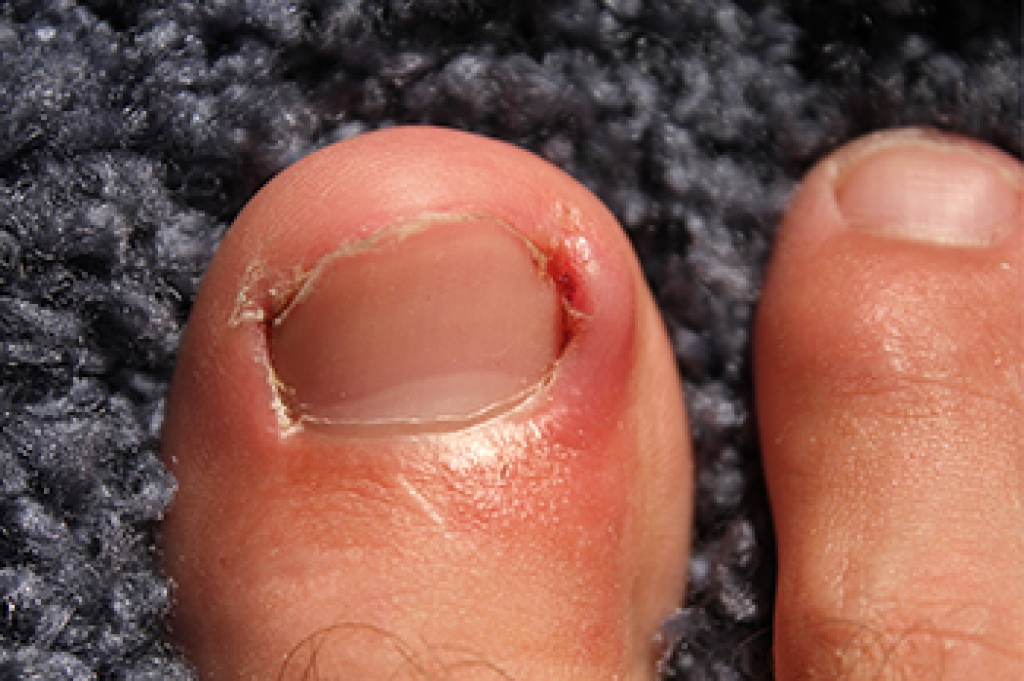
Toenails That Grow the Wrong Way

An ingrown toenail develops when the edge of the nail presses into the surrounding skin, leading to redness, swelling, and sharp pain along the border of the nail. It may look puffy or irritated and can sometimes drain if infection is present. This condition often occurs after improper trimming, tight shoes, or injury to the toe. Early treatment may include careful trimming and reducing pressure, but when the problem becomes chronic, more advanced care is needed. A traditional matrixectomy removes part of the nail root to permanently narrow the nail and prevent regrowth along the painful edge. A nail brace offers a more conservative option by gently lifting and reshaping the nail over time without removing tissue. A podiatrist will evaluate the severity, discuss health history, and recommend the most appropriate solution. If you have an ingrown toenail that continues to return or becomes infected, it is suggested that you make an appointment with a podiatrist.

Ingrown toenails may initially present themselves as a minor discomfort, but they may progress into an infection in the skin without proper treatment. For more information about ingrown toenails, contact One of our podiatrists of Taub Podiatry. Our doctors can provide the care you need to keep you pain-free and on your feet.

Ingrown Toenails

Ingrown toenails are caused when the corner or side of a toenail grows into the soft flesh surrounding it. They often result in redness, swelling, pain, and in some cases, infection. This condition typically affects the big toe and may recur if it is not treated properly.

Causes

  • Improper toenail trimming
  • Genetics
  • Improper shoe fitting
  • Injury from pedicures or nail picking
  • Abnormal gait
  • Poor hygiene

You are more likely to develop an ingrown toenail if you are obese, have diabetes, arthritis, or have any fungal infection in your nails. Additionally, people who have foot or toe deformities are at a higher risk of developing an ingrown toenail.

Symptoms

Some symptoms of ingrown toenails are redness, swelling, and pain. In rare cases, there may be a yellowish drainage coming from the nail.

Treatment

Ignoring an ingrown toenail can have serious complications. Infections of the nail border can progress to a deeper soft-tissue infection, which can then turn into a bone infection. You should always speak with your podiatrist if you suspect you have an ingrown toenail, especially if you have diabetes or poor circulation.

If you have any questions, please feel free to contact our offices located in Stuart, Port St. Lucie, and Hobe Sound, FL . We offer the newest diagnostic and treatment technologies for all your foot care needs.

Read more about Ingrown Toenails

Common Foot Problems and Foot Protection in Seniors

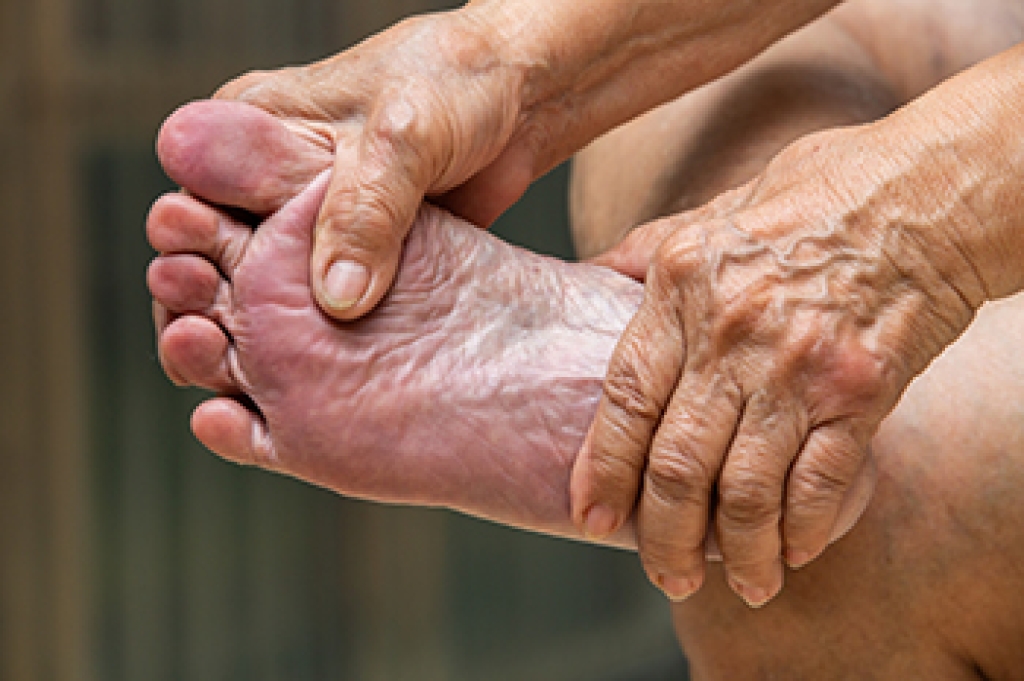
As people age, several common foot problems may develop due to natural changes in skin, circulation, and joint health. One significant change is that the fat pads on the feet become thinner, reducing cushioning and increasing sensitivity to pressure. This can lead to discomfort, calluses, and a higher risk of skin breakdown. Protecting elderly feet involves staying active to promote circulation and mobility, inspecting feet daily for cuts or changes, using moisturizer to prevent dryness, and wearing shoes that fit well and provide proper support. These habits help maintain comfort and reduce complications. A podiatrist can assess foot health, manage existing concerns, and recommend preventive care. If you have foot pain, it is suggested that you consult a podiatrist who can treat various foot and ankle conditions, and guide you on additional elderly foot care tips.

If you need your feet checked, contact One of our podiatrists of Taub Podiatry. Our doctors will attend to all of your foot and ankle needs and provide you with quality treatment.

Geriatrics and Podiatry
When people age, some common issues that may occur are bone density loss, dry skin, poor circulation, and rough brittle nails. These issues may also affect your foot health if the necessary steps are not taken to alleviate the problems.

It is important to take care of your feet because feet that are injured or diseased can affect your overall health. Having painful feet hinders your ability to do daily activities or may decrease your willingness to do the things that you need to do.

Visiting Your Geriatrician
As we age, health problems become more likely, so it is essential to visit your doctor for check-ups to ensure that you are doing the best you can to take care of your health. It is recommended to check your feet frequently for any possible cuts, bruises, swelling, corns or any other irregularities. 

Taking Care of Elderly Feet
Cracked or dry feet can be treated by applying moisturizer often. It is also important not to wear old socks because the older the sock is, the higher the possibility there will be that there is bacteria there. Wear fresh socks and make sure they fit properly.

Proper foot health means that you can have a more active lifestyle and you will not be bogged down by pain. Foot health also leads to good circulation, which is paramount for overall health.

If you have any questions, please feel free to contact our offices located in Stuart, Port St. Lucie, and Hobe Sound, FL . We offer the newest diagnostic and treatment technologies for all your foot care needs.

Read more about Geriatrics and Podiatry

Get Professional Care for a Broken Foot or Ankle

Constant care and regular evaluation are important for a foot or ankle fracture. If left untreated, foot or ankle fractures can worsen over time and create more serious problems.

Don't wait to be examined if you believe you've experienced a foot or ankle fracture.

How Being Overweight Can Affect the Feet

Carrying extra body weight puts added strain on the feet every day. With each step, the heels and arches absorb more pressure than they are designed to handle. This can lead to heel pain, flattening of the arch, and aching in the ball of the foot. The joints may become stiff, tendons may feel sore, and the risk of arthritis increases over time. Some people also notice burning, swelling, or tired feet after standing or walking for short periods. Body fat can also affect how tissues function, which may increase discomfort beyond simple pressure alone. A podiatrist can examine how you stand and walk, check foot alignment, and measure areas of high pressure. Treatment includes custom orthotics, supportive bracing, and guidance to reduce stress on the feet and prevent further damage. If you have foot pain that may be related to excess weight, it is suggested that you make an appointment with a podiatrist for an exam, diagnosis, and treatment.

Obesity has become very problematic at this point in time and can have extremely negative effects on the feet. If you’re an obese individual and are concerned about your feet, contact One of our podiatrists from Taub Podiatry. Our doctors can provide the care you need to keep you pain-free and on your feet.

Obesity and Your Feet

Since your feet are what support your entire weight when standing, any additional weight can result in pain and swelling. Being overweight is one of the main contributors to foot complications.

Problems & Complications

Extra Weight – Even putting on just a few extra pounds could create serious complications for your feet. As your weight increases, your balance and body will shift, creating new stresses on your feet. This uneven weight distribution can cause pain, even while doing the simplest tasks, such as walking.

Diabetes – People who are overweight are at serious risk of developing type-2 diabetes, which has a drastic impact on the health of your feet. As you get older, your diabetes might worsen, which could lead to loss of feeling in your feet, sores, and bruises. You could also become more prone to various infections.

Plantar fasciitis – Pressure and stress that is placed on muscles, joints, and tendons can trigger plantar fasciitis, which is an inflammation of tissue that forms along the bottom of the foot. 

If you have any questions, please feel free to contact our offices located in Stuart, Port St. Lucie, and Hobe Sound, FL . We offer the newest diagnostic and treatment technologies for all your foot care needs.
Read more about How Obesity Affects Your Feet

Treating and Managing Bunion Pain

A bunion is a foot deformity that develops when the big toe shifts toward the lesser toes, creating a bony bump along the side of the foot. This alignment change increases stress on joints and soft tissue. A bunion often causes pain, swelling, stiffness, and trouble wearing shoes. It may worsen due to abnormal foot mechanics, inherited foot structure, or prolonged pressure on the forefoot. A podiatrist helps manage bunions by assessing foot alignment, gait, and deformity severity. Treatment options include shoe modifications, padding, orthotic devices, activity adjustments, and targeted therapies to reduce pressure and slow progression. In advanced cases, surgery may be needed to realign the joint and improve function. For help with managing pain caused by bunions, it is suggested that you make an appointment with a podiatrist for an exam, diagnosis, and treatment.

If you are suffering from bunions, contact One of our podiatrists of Taub Podiatry. Our doctors can provide the care you need to keep you pain-free and on your feet.

What Is a Bunion?

A bunion is formed of swollen tissue or an enlargement of boney growth, usually located at the base joint of the toe that connects to the foot. The swelling occurs due to the bones in the big toe shifting inward, which impacts the other toes of the foot. This causes the area around the base of the big toe to become inflamed and painful.

Why Do Bunions Form?

Genetics – Susceptibility to bunions are often hereditary

Stress on the feet – Poorly fitted and uncomfortable footwear that places stress on feet, such as heels, can worsen existing bunions

How Are Bunions Diagnosed?

Podiatrists often perform two tests – blood tests and x-rays – when trying to diagnose bunions, especially in the early stages of development. Blood tests help determine if the foot pain is being caused by something else, such as arthritis, while x-rays provide a clear picture of your bone structure to your provider.

How Are Bunions Treated?

  • Refrain from wearing heels or similar shoes that cause discomfort
  • Select wider shoes that can provide more comfort and reduce pain
  • Anti-inflammatory and pain management drugs
  • Orthotics or foot inserts
  • Surgery

If you have any questions, please feel free to contact our offices located in Stuart, Port St. Lucie, and Hobe Sound, FL . We offer the newest diagnostic and treatment technologies for all your foot care needs.

Read more about Bunions
scroll to top