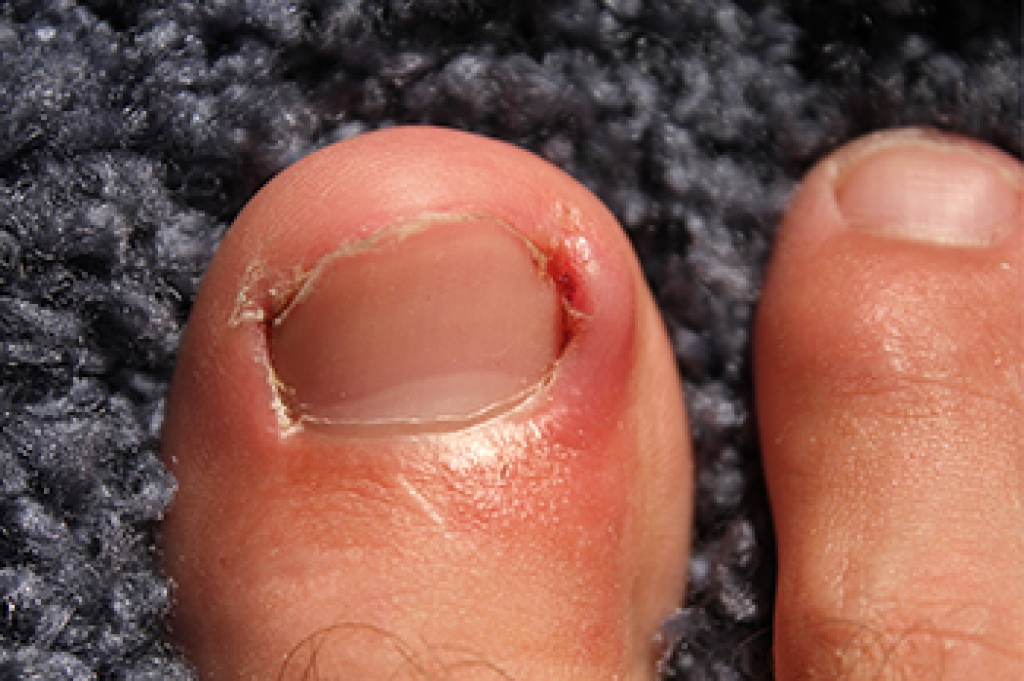
Dealing With Symptoms of Toenail Fungus

Toenail fungus is a common infection that affects the nail and the skin beneath it. It usually develops slowly, allowing the fungus to spread if left untreated. The infection often begins at the edge of the nail before moving deeper into the nail plate. As it progresses, the toenail may become thicker and more brittle or change color. Although any toenail can be affected, the big toenail is involved most often. Toenail fungus is more common in older adults and people with certain medical conditions, but it can develop in anyone. Because other nail disorders may appear similar, a professional evaluation is important to confirm the diagnosis and recommend the most appropriate treatment. Early podiatry care may also help prevent the infection from becoming more difficult to manage.


Symptoms of toenail fungus vary depending on the severity of the infection. Many people notice a nail that becomes yellow, white, or brown. Others experience thickened nails or nails that become rough and difficult to trim. In more advanced cases, the nail may become misshapen or separate from the nail bed, causing discomfort while walking or wearing shoes. The infection may spread to additional toenails if it is not properly treated. Persistent nail changes should not be ignored because they may affect comfort, mobility, and overall foot health. Prompt evaluation can determine whether a fungal infection or another nail condition is responsible for the symptoms.


A podiatrist specializes in diagnosing and treating toenail fungus and other nail conditions. During an examination, the podiatrist evaluates the affected nail and may recommend testing to confirm the cause of the infection. Treatment focuses on eliminating the infection, improving nail health, and reducing the risk of future problems. Ongoing podiatry care also helps monitor nail growth and identify changes that may require additional attention. If you are experiencing thick, discolored, or brittle toenails, it is suggested that you consult a podiatrist for an evaluation and appropriate treatment options.

For more information about treatment, contact One of our podiatrists of Taub Podiatry. Our doctors can provide the care you need to keep you pain-free and on your feet.

Toenail Fungus Treatment

Toenail fungus is a condition that affects many people and can be especially hard to get rid of. Fortunately, there are several methods to go about treating and avoiding it.

Antifungals & Deterrence

Oral antifungal medicine has been shown to be effective in many cases. It is important to consult with a podiatrist to determine the proper regiment for you, or potentially explore other options.

Applying foot powder on the feet and shoes helps keep the feet free of moisture and sweat.

Sandals or open toed shoes – Wearing these will allow air movement and help keep feet dry. They also expose your feet to light, which fungus cannot tolerate. Socks with moisture wicking material also help as well.

If you have any questions please contact our offices located in Stuart, Port St. Lucie, and Hobe Sound, FL . We offer the newest diagnostic and treatment technologies for all your foot and ankle needs.

Read more about Toenail Fungus

Heel Fat Pad Atrophy Symptoms and Treatment

The heel fat pad is a layer of fatty tissue under the heel bone. It works like a cushion, absorbing force when your heel hits the ground. Heel fat pad atrophy occurs when this layer becomes thinner, shifts out of place, or loses its springy quality. The heel then has less protection from pressure. Pain feels deep and bruise-like in the center of the heel. It can worsen when standing for long periods of time, when walking on hard floors, or when running. Unlike plantar fasciitis, which usually hurts closer to the inner edge of the heel, fat pad pain tends to stay centered beneath it.

Age-related changes can reduce the fat pad’s thickness and flexibility. High-impact activity and added body weight can place stress on this tissue. Other causes include an injury, diabetes, or arthritis. Shoes that lack proper support can make symptoms worse because they provide less cushioning. Patients may change the way they walk to avoid pain. That can place extra strain on the feet, ankles, or knees. Since heel fat pad atrophy can resemble other heel problems, an accurate diagnosis is important. A podiatrist will review the symptoms, examine the painful area, and study how you stand and walk. Imaging, like an ultrasound or X-ray, can measure the pad or rule out another cause.

Treatment focuses on reducing pressure and improving heel protection. A podiatrist can recommend heel cups, supportive shoes, or custom orthotics. Orthotics are shoe inserts that support your feet and improve how pressure is spread. The podiatrist also may use taping to hold the heel pad in a better position. The care plan will reflect specific symptoms, activity level, and foot structure. Surgery is rarely considered for this problem. If you have pain underneath the heel, it is suggested that you schedule an appointment with a podiatrist for a diagnosis and appropriate treatment.

Many people suffer from bouts of heel pain. For more information, contact One of our podiatrists of Taub Podiatry. Our doctors can provide the care you need to keep you pain-free and on your feet.

Causes of Heel Pain

Heel pain is often associated with plantar fasciitis. The plantar fascia is a band of tissues that extends along the bottom of the foot. A rip or tear in this ligament can cause inflammation of the tissue.

Achilles tendonitis is another cause of heel pain. Inflammation of the Achilles tendon will cause pain from fractures and muscle tearing. Lack of flexibility is also another symptom.

Heel spurs are another cause of pain. When the tissues of the plantar fascia undergo a great deal of stress, it can lead to ligament separation from the heel bone, causing heel spurs.

Why Might Heel Pain Occur?

  • Wearing ill-fitting shoes                
  • Wearing non-supportive shoes
  • Weight change           
  • Excessive running

Treatments

Heel pain should be treated as soon as possible for immediate results. Keeping your feet in a stress-free environment will help. If you suffer from Achilles tendonitis or plantar fasciitis, applying ice will reduce the swelling. Stretching before an exercise like running will help the muscles. Using all these tips will help make heel pain a condition of the past.

If you have any questions, please feel free to contact our offices located in Stuart, Port St. Lucie, and Hobe Sound, FL . We offer the newest diagnostic and treatment technologies for all your foot care needs.


Read more about Heel Pain

Ankle Sprain Symptoms and Treatment Explained

An ankle sprain happens when a ligament in the joint stretches too far after the foot rolls, twists, or lands unevenly. Ligaments are strong, flexible bands that connect bones and keep a joint stable. Most sprains affect ligaments on the outside of the ankle. A mild sprain stretches these tissues, while a severe sprain can cause a partial or complete tear. Pain, swelling, and bruising can begin soon after the injury. Patients can also hear a pop or have trouble putting weight on the foot. The ankle can feel weak or give way when standing. Prompt medical attention matters because fractures can cause similar symptoms.

A podiatrist can examine the ankle, ask how the injury happened, and check the joint’s movement and stability. Imaging tests can rule out a fracture or reveal other damage. The podiatrist can then grade the sprain based on how badly the ligament was injured. Treatment depends on that grade and the patient’s needs. It can include a brace, walking boot, or crutches to stabilize and protect the ankle as it heals. Most sprains do not require surgery, but a severe tear or lasting instability can make surgery an option. Follow-up visits let the podiatrist track healing, adjust support, and guide a safe return to work or sports.

An untreated ankle sprain can lead to repeated injuries, lasting pain, and poor stability. The risk rises when activity resumes before the ankle regains full strength and control. A podiatrist can recommend a step-by-step return to activity and explain how to prevent another sprain. Helpful measures include warming up, choosing well-fitting shoes, and using activity-appropriate ankle support. Seek prompt care if swelling becomes severe, the ankle looks out of place, or standing is impossible. If you have sprained an ankle, it is suggested that you schedule an appointment with a podiatrist for a diagnosis and appropriate treatment. 

Ankle sprains are common but need immediate attention. If you need your feet checked, contact One of our podiatrists from Taub Podiatry. Our doctors can provide the care you need to keep you pain-free and on your feet.

How Does an Ankle Sprain Occur?

Ankle sprains take place when the ligaments in your ankle are torn or stretched beyond their limits. There are multiple ways that the ankle can become injured, including twisting or rolling over onto your ankle, putting undue stress on it, or causing trauma to the ankle itself.

What Are the Symptoms?

  • Mild to moderate bruising
  • Limited mobility
  • Swelling
  • Discoloration of the skin (depending on severity)

Preventing a Sprain

  • Wearing appropriate shoes for the occasion
  • Stretching before exercises and sports
  • Knowing your limits

Treatment of a Sprain

Treatment of a sprain depends on the severity.  Many times, people are told to rest and remain off their feet completely, while others are given an air cast. If the sprain is very severe, surgery may be required.

If you have suffered an ankle sprain previously, you may want to consider additional support such as a brace and regular exercises to strengthen the ankle.

If you have any questions please feel free to contact our offices located in Stuart, Port St. Lucie, and Hobe Sound, FL . We offer the newest diagnostic tools and technology to treat your foot and ankle needs.

Read more about Three Grades of Ankle Sprains

Are You Suffering From Nerve Damage?

Neuropathy is a condition that can lead to numbness or loss of sensation in the feet, but it can also cause pain. This condition is more likely to develop for those who are diabetic, obese, or with high blood pressure.

Importance of Diabetic Foot Care

Diabetes can place the feet at risk even before a patient notices a problem. High blood sugar can damage nerves, which can reduce feeling in the toes and soles. It can also narrow blood vessels and limit the oxygen that reaches injured tissue. As a result, a small blister, cut, or pressure spot can go unnoticed and heal poorly. An untreated wound can develop into an ulcer, which is an open sore. Infection can then spread into deeper tissue or bone. In severe cases, these complications can lead to limb loss.

Regular visits to a podiatrist helps find warning signs before they become serious. A podiatrist can inspect the skin, nails, and spaces between the toes. The examination also includes checking blood flow, nerve function, and changes in foot shape. These checks can reveal numbness or pressure points that increase the risk of a wound. A podiatrist can safely trim problem toenails and reduce thick calluses that create pressure. The doctor can also treat ulcers, remove unhealthy tissue, and use dressings to support healing. Signs of poor circulation can lead to further testing or a referral to another specialist.

A podiatrist can recommend properly-fitted shoes, custom orthotics, or protective padding to reduce rubbing and pressure. Patients with a past ulcer, poor circulation, or loss of feeling need closer monitoring. The doctor can set an examination schedule based on a patient’s level of risk. Prompt care is especially important for redness, swelling, or warmth in one foot. Patients should also report drainage, an open sore, or a change in skin color. Fever or increasing pain can signal an infection that requires prompt medical attention. Consistent visits to a podiatrist can protect mobility and help avoid hospital care, serious infection, or loss of limb. If you have foot complications from diabetes, it is suggested that you are under the care of a podiatrist who can help you to manage this serious condition. 

Diabetic foot care is important in preventing foot ailments such as ulcers. If you are suffering from diabetes or have any other concerns about your feet, contact One of our podiatrists from Taub Podiatry. Our doctors can provide the care you need to keep you pain-free and on your feet.

Diabetic Foot Care

Diabetes affects millions of people every year. The condition can damage blood vessels in many parts of the body, especially the feet. Because of this, taking care of your feet is essential if you have diabetes, and having a podiatrist help monitor your foot health is highly recommended.

The Importance of Caring for Your Feet

  • Routinely inspect your feet for bruises or sores.
  • Wear socks that fit your feet comfortably.
  • Wear comfortable shoes that provide adequate support.

Patients with diabetes should have their doctor monitor their blood levels, as blood sugar levels play such a huge role in diabetic care. Monitoring these levels on a regular basis is highly advised.

It is always best to inform your healthcare professional of any concerns you may have regarding your feet, especially for diabetic patients. Early treatment and routine foot examinations are keys to maintaining proper health, especially because severe complications can arise if proper treatment is not applied.

If you have any questions, please feel free to contact our offices located in Stuart, Port St. Lucie, and Hobe Sound, FL . We offer the newest diagnostic and treatment technologies for all your foot care needs.

Read more about Diabetic Foot Conditions
scroll to top